
University of Exeter part of £35.4 million UKRI investment to strengthen UK food security
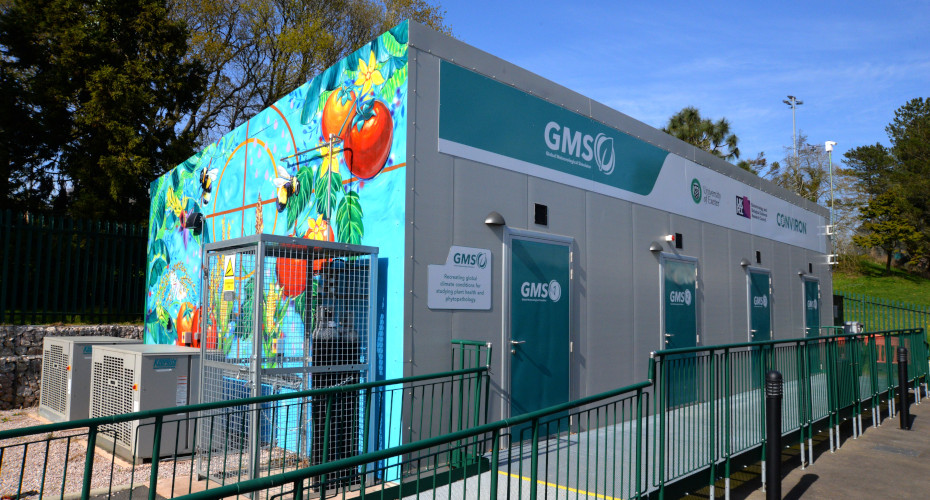
The University of Exeter is contributing to a major new UK-wide research infrastructure, PhenomUK, which has been awarded £35.4 million through the UK Research and Innovation (UKRI) Infrastructure Fund, delivered by the Biotechnology and Biological Sciences Research Council (BBSRC).
Led by the University of Nottingham, PhenomUK will establish a national network of facilities to advance plant and crop phenotyping—supporting the development of more resilient, productive and sustainable crops.
The initiative aims to address pressing global challenges including climate change, biodiversity loss and food security by enabling researchers to better understand how crops perform in diverse and rapidly changing environments.
The University of Exeter will play a key role in the infrastructure through its Global Meteorological Simulator, contributing expertise in environmental and weather simulation and plant pathology. This capability will enable researchers to study how crops respond to realistic and extreme weather conditions, improving predictions of crop resilience and disease risk.
PhenomUK will create a coordinated, nationwide research platform spanning controlled environments, glasshouses and field-based systems, alongside digital infrastructure and shared data resources, helping to transform how plant science is conducted across the UK.
By integrating facilities and expertise across the UK, the programme will accelerate innovation in crop breeding and agricultural technologies, supporting the UK’s ambition to become a global leader in sustainable food production.
Professor Ivana Gudelj, University of Exeter, said: “Exeter’s Global Meteorological Simulator allows us to recreate complex and extreme weather conditions and understand their impact on crop health and disease. Through PhenomUK, we can connect this capability to a national network, helping deliver more resilient crops and strengthening UK food security.”