Three decades of British East and South East Asian theatre documented and celebrated
The contribution of British East and South East Asian (BESEA) theatre in shaping the national drama landscape has been centrally archived for the first time.
The New Earth Theatre Living Archive celebrates 30 years of BESEA drama and performance, showcasing the artists, productions, stories and communities historically underrepresented in mainstream archives.
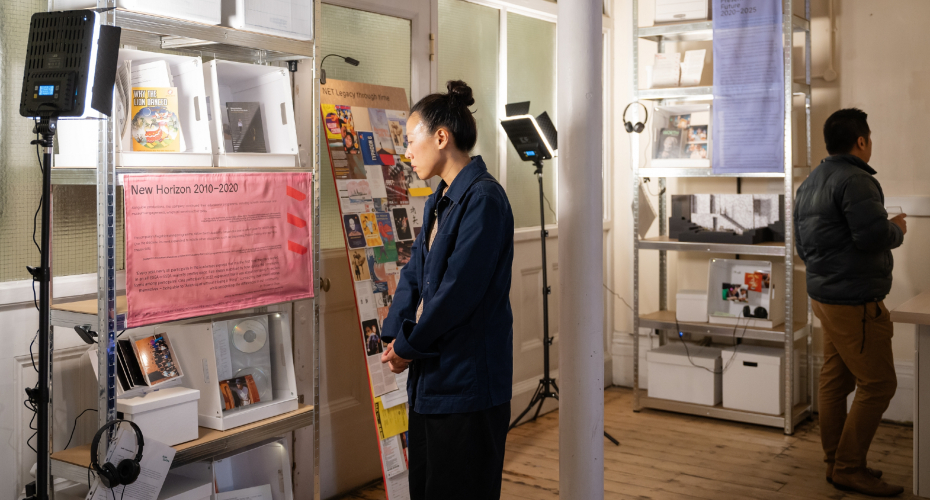
A project team, co-led by the University of Exeter and the Royal Central School of Speech and Drama (RCSSD), have collated and documented more than 15,000 items following an extensive process, and these are now safely housed at the V&A East Storehouse.
The team has also launched a digital version of the archive, which also includes 30 oral history interviews with artists, producers and theatre makers of several generations who were part of the New Earth Theatre’s story.
New Earth was founded in 1995 to raise the profile of BESEA theatre and was based in London, from where it regularly toured the country. The archive project, funded by Arts Council England and the National Heritage Lottery Fund, was part of the company’s 30th anniversary celebrations.
“The Living Archive project came from two very simple but important questions: ‘Where are the stories of British East and South East Asian theatre being kept, and who is telling them?’” said Dr Caleb Lee, Lecturer in Drama at Exeter and co-lead for the project. “BESEA artists have contributed so much to British theatre over the decades, but many of their stories and achievements have been overlooked or left out of mainstream theatre history. There was a real concern that, if we didn’t start documenting these stories now, we might lose them altogether.”
The most significant challenge facing the team was tracking down the physical materials associated with New Earth, which, unlike many established theatre companies, did not have its own dedicated archive. Some of the artefacts had been kept in its London office, but many were traced to personal collections in people’s homes and other locations. Each had to be identified, catalogued, organised and properly documented before being transferred to the V&A East Storehouse.
Working with Diana Feng of RCSSD, Dr Lee conducted interviews with many of the key players of the company. Among them were its founding figures Kwong Loke, David K.S. Tse, Tom Wu and Kumiko Mendl, who were filmed in conversation as they reflected on their shared experiences. The team also ensured that the interviews honoured the life and legacy of the company’s fifth founder, the late Veronica Needa, whose contributions to the field were hugely significant.
“Hearing people speak about this, particularly those who were making theatre at a time when there was very little space or visibility for BESEA artists, was incredibly moving,” said Dr Lee. “What struck me was just how much determination and resourcefulness there was. People were creating opportunities for themselves and others, often without much institutional support, simply because they believed these stories needed to be told.”
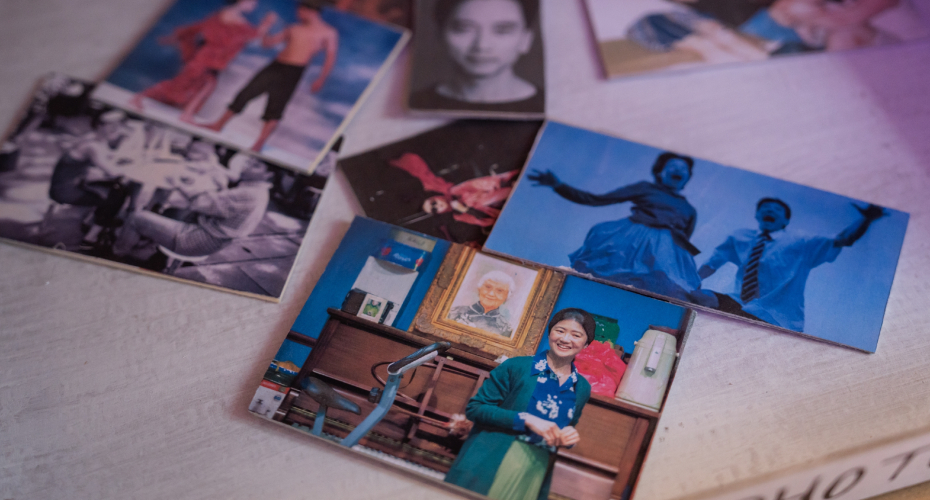
Alongside the interviews, there is a wealth of material on the archive, including photographs, prompt books, flyers, performance listings and press cuttings – all with expert descriptions written by the researchers.
“Having these materials housed, both within a living archive and a major cultural institution, is incredibly meaningful,” says Dr Lee, who is a member of Exeter’s Department of Communications, Drama and Film. “It gives these stories a place in the wider history of British theatre, preserved and made accessible to future generations.
“I hope people come away with a greater appreciation of just how much ESEA artists have contributed to British theatre. But I also hope they recognise that this isn’t just a story about the past. It’s about the present and the future too.”
To explore the archive, follow the link to the website.
More than anything, I feel incredibly proud to have played a part in this story. As a Singaporean producer working in the UK, this project has also meant a great deal to me personally. It’s a reminder that our stories matter, and that we have a place in the cultural history of this country.
Dr Caleb Lee