How studying at Exeter inspired ‘The Fly Doctor’ and CBBC presenter Dr Daniel Olaiya
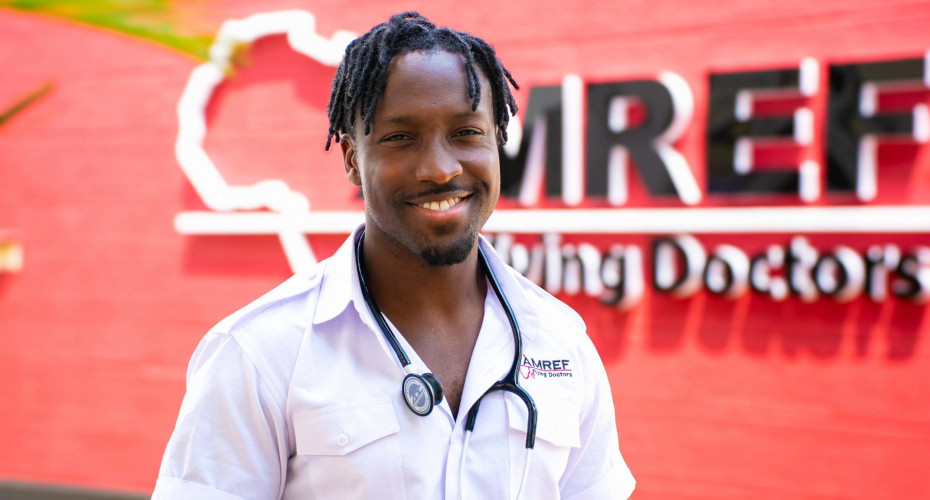
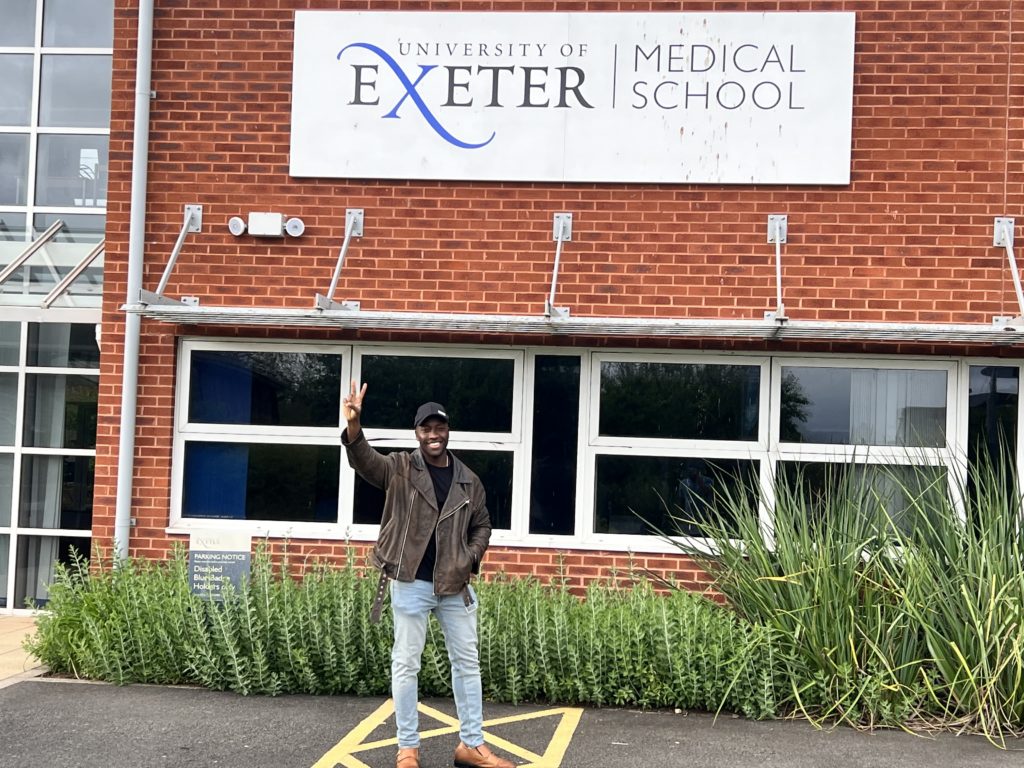
From being a presenter on CBBC to climbing Mount Kilimanjaro as an expedition doctor, Dr Daniel Olaiya has had a varied career since graduating in Medicine from the University of Exeter.
Five years after leaving Exeter in 2015, Daniel was presenting on the BAFTA-winning TV show ‘Operation Ouch!’ alongside twin brother Dr Raphael Olaiya.
The 33-year-old said: “I loved it at Exeter and took advantage of a lot of different opportunities, some medicine related and some non-medicine related. I really had a great time and feel very fortunate and very proud to have gone there.
“One of the special things about Exeter Uni and studying medicine there is they give you room to breathe and grow in unconventional ways. Part of the course is a student selected component, and I undertook one titled; ‘Are you having a laugh!’ – which explored the intersection between medicine and theatre, delivered by professional actor and playwright Jeff Sleeman. The course explored the concept of the clinician as a performer, acting a role, creating an atmosphere, focusing on communication, holding frame, presence and the ability to build and tell a clinical story.
“Exeter curated that creative spark that has always been inside of me, and I continued that forth and opportunities found me.”
Alongside his broadcast career Daniel has developed a prominent social media presence as ‘The Fly Doctor’. This reflects his experience and expertise as a doctor in extreme and aerospace medicine; a niche area of medicine concerned with understanding what changes to physiology, psychology and performance occur at altitude and extreme environments. This type of medicine falls under the umbrella of occupational and preventative medicine – useful for aeromedical retrieval and transfer, civil aviation, mountain climbers, or deep-sea divers.
Daniel continues: “A lot of the time these are preventative measures. Being a pilot, for example, puts their body and mind through certain stresses. I also transport sick people all over the world by air who may need vital surgery, medical care, or have been evacuated from incidents or accidents.
“I learned early on during my time at Exeter that being a doctor doesn’t have to mean staying in one place. It can be in many places in many different contexts and medicine has taken me from hospital wards to international TV screens, aircrafts to deserts and mountains.”
Daniel studied at what was then known as the Peninsula College of Medicine and Dentistry, which was a partnership between the Universities of Exeter and Plymouth and the precursor to the current University of Exeter Medical School.
He said: “Going to medical school in Exeter I was often surrounded by fun, exciting and adventurous people and activities. Being in Devon there is a lot to do outside and at the time there was a private air ambulance company in Exeter, so I was exposed to that very early on. Because of that I saw what flying doctors do and thought, ‘Yeah that’s a bit of me’.
“Then I worked at Derriford Hospital in Plymouth and was further exposed to Neurosurgery, where a lot of patients had been flown in for emergency surgery. I started asking questions. One thing led to another and before I knew it, I was obsessed with it, and the path became very clear to me. I wanted to learn this very interesting part of medicine.”
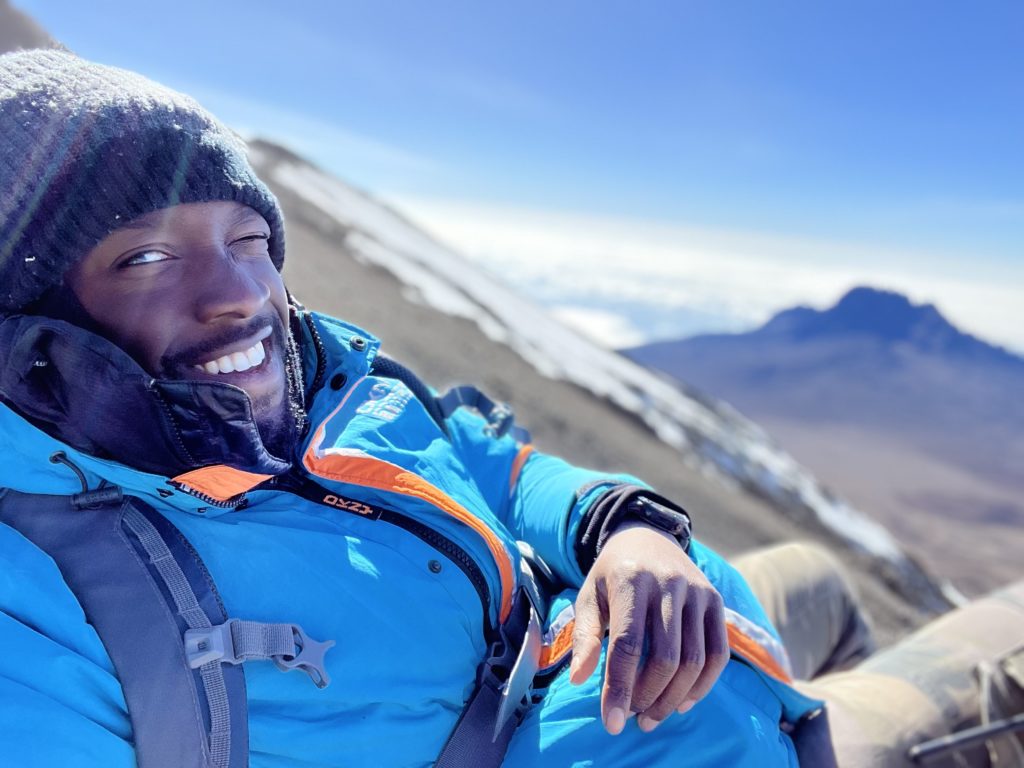
It was his role in aerospace medicine that led to Daniel climbing Mount Kilimanjaro as an extreme expedition doctor on a challenge to get 25 people aged between 40 and 70 to the summit.
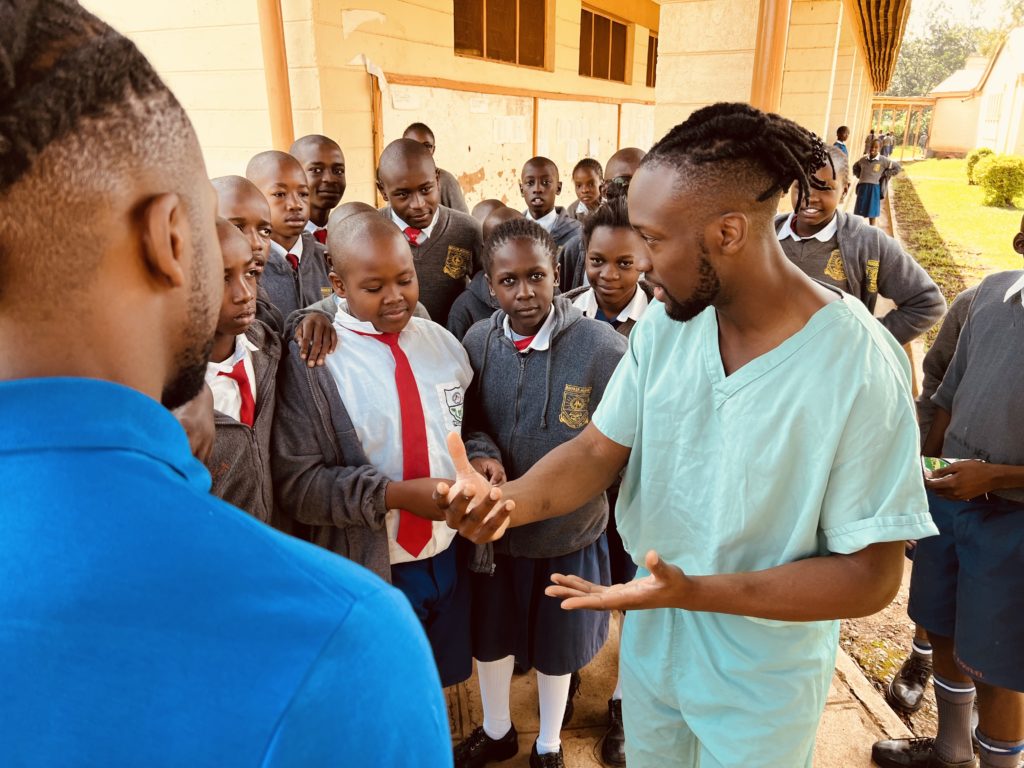
Despite his adventurous career outside and within medicine, Daniel emphasises the importance of traditional training pathways and “being a good hands-on clinician with a firm foundation in medicine”. He said: “But if you have the time, always take the scenic route in your career and keep levelling up because time will always pass and you should have something to show for it – even if that’s just great memories!”
Earlier this year Daniel debuted a sold-out theatre show in London. ‘How to Survive in Space’ is a spinoff from ‘Operation Ouch!’ and aims to make medicine and space fun for the whole family and involved Exeter alumnus from the drama department, in what Daniel describes as “a full circle moment”.

He said: “Children are the toughest audience! If something is boring, even a little bit, they will tell you immediately and make it obvious. Therein lies the challenge – taking something complicated and packaging it in an accessible way and fulfilling peoples’ curiosity in it.”
Building on the success of the debut, Daniel is exploring further opportunities to expand this work through additional live shows, digital content, and educational collaborations. A new season of Operation Ouch! has also recently aired, continuing his work in broadcast science communication to a wide national audience.