Children and teenagers more open to meat free diets – but struggle to maintain it
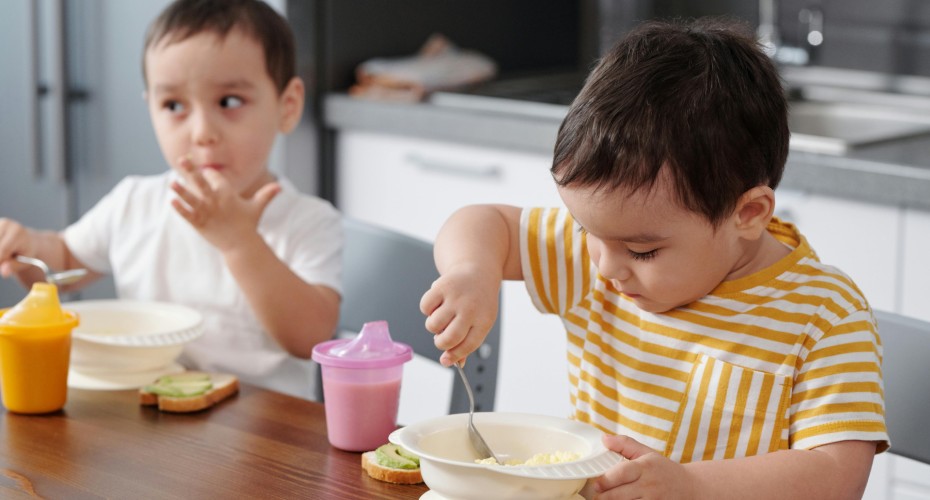
Lots of children and teenagers are open to a vegetarian or vegan diet and cut out meat but then struggle to keep it up, according to a new study from the University of Exeter.
The study, published in Psychology of Human-Animal Intergroup Relations, found childhood and adolescence are key windows for reducing meat consumption as children and teenagers are far more open to giving up meat than adults. This offers a promising opportunity for supporting healthier and more sustainable diets in future generations, but there are still several practical barriers standing in the way.
Lead researcher Dr Luke McGuire from the University of Exeter said: “There’s a growing shift towards plant-based eating, but many adults still struggle to change their behaviour and view eating meat as natural, normal, and necessary. This makes dietary change among adults challenging, but research shows children place a similar moral value on animal lives as on human lives and are less likely than adults to view eating meat as morally acceptable.
“We therefore wanted to understand whether these beliefs are related to behaviours and what makes young people consider vegetarian or vegan diets and found many are motivated by moral, environmental, and emotional factors.
“Research has shown vegetarian or vegan diets are safe for children and can be beneficial to their health, if done correctly. It means with the right support from parents and schools – and improvements in the convenience and appeal of plant-based foods – childhood could represent a powerful opportunity to encourage healthier and more sustainable eating habits.”
Researchers surveyed more than 1,000 UK young adults aged 18 to 26 years old, asking whether they had ever thought about giving up meat while growing up. Around half (48.5 per cent) of all participants said they had considered stopping eating meat before finishing secondary school, with these thoughts first occurring aged 11 on average. Of those who considered it, about half (50.4 per cent) actually tried to stop eating meat, ranging from a few days to several years.
However, the study found that most young people eventually returned to eating meat, with practical barriers such as taste, convenience, social pressure, and fitting in with family routines among the common reasons. Researchers also found parental support was the strongest factor in whether young people successfully maintained a meat-free diet – but parents were often more supportive of their child returning to eating meat than of their initial attempt to give it up.
The study found two key reasons why young people reduced meat consumption. The first was disgust at learning that meat came from animals, an insight which often prompted an interest among young children in avoiding meat. Meanwhile, older children and teenagers were more likely to be motivated by health or environmental concerns, reflecting rising awareness of global sustainability issues among younger generations. Participants also described “meat epiphany moments,” when learning about food systems prompted them to re-evaluate what they ate.
Co-author Professor Natalia Lawrence from the University of Exeter said: “Our findings suggest childhood and adolescence are natural periods for encouraging plant-based eating. However, for children and young people to successfully stop eating meat they need parental engagement and support.
“Part of the issue is offering more accessible and appealing plant-based options for families. Stronger food education in schools, alongside wider public messaging – like the recent ‘Bang In Some Beans’ campaign – highlight how an individual’s dietary choices contribute to health, environmental, and animal welfare goals.”
The paper titled ‘Early attempts to stop eating meat: Prevalence, predictors and outcomes among UK youth’ is published in Psychology of Human-Animal Intergroup Relations.
The study was funded in part by a grant from Children & Young People’s Wellbeing @ Exeter. More info on Bang In Some Beans: https://foodfoundation.org.uk/initiatives/bang-in-some-beans