Historians team up with the National Maritime Museum Cornwall for masterclass on the Second World War
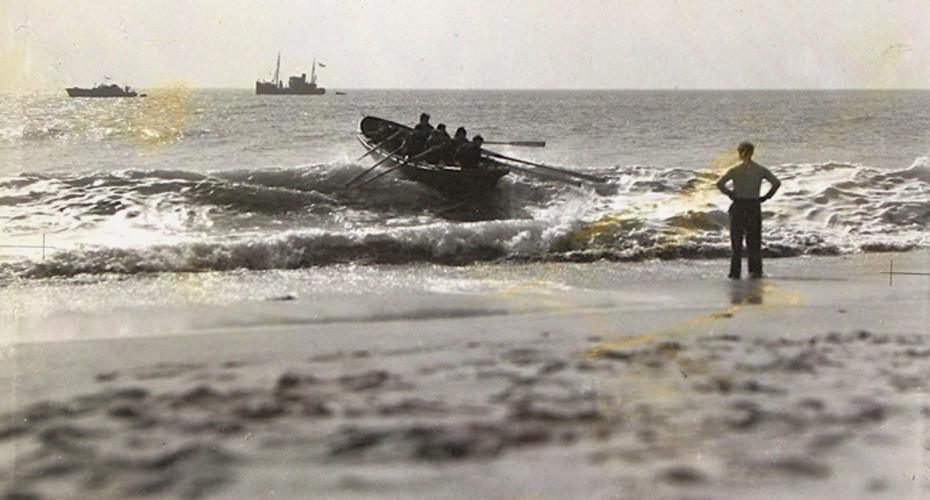
A test launch of an SOE boat. (c) National Archives
Historians at the University of Exeter, Cornwall, are partnering with one of the country’s most respected museums to offer a ‘masterclass’ on a key phase of the Second World War.
World War 2, the Fall of France, and Cornwall’s Covert Special Operations is a full-day course for members of the public interested in how Germany’s invasion of France impacted the South West and beyond.
Taking place at the National Maritime Museum Cornwall in Falmouth and led by curators at the Museum and academics in the Department of Humanities and Social Sciences, Cornwall, the April session offers up-close access to rare artefacts and archives not on public display.
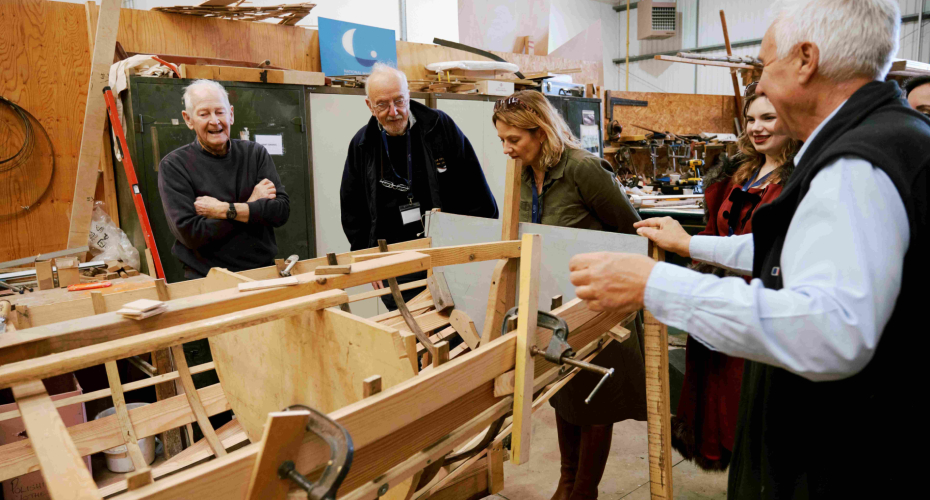
Attendees will also be taken on a behind-the-scenes tour of the Museum’s boat workshop to see how experts are building an authentic replica of a WW2 Special Operations Executive (SOE) surf boat.
“The fall of France was felt around the world,” says Professor Catriona Pennell, a specialist on modern conflict and empire. “It also had particular implications for Cornwall and Devon, and it is these two quite different but intimately connected theatres that we will bring together on this one-day masterclass.”
During the War, the Helford River was a critical launching point for SOE missions into occupied France. Operatives would navigate to within a kilometre of enemy coastlines, before rowing ashore aboard specially designed surfboats, delivering crucial supplies to the French Resistance via otherwise inhospitable beaches.
Professor Pennell will cover the ‘global history of 1940’, exploring the international repercussions of France’s capitulation to the Nazis and its impact on the strategies of both the Allied and Axis Powers.
Professor Richard Noakes, Associate Professor of the History of Science and Technology, will then lead a session entitled Britain’s War Machine, exploring Britain’s industrial and technological capabilities before, during, and after the war. During his session, he will also assess some of the myths around Britain’s defensive strengths and weaknesses.
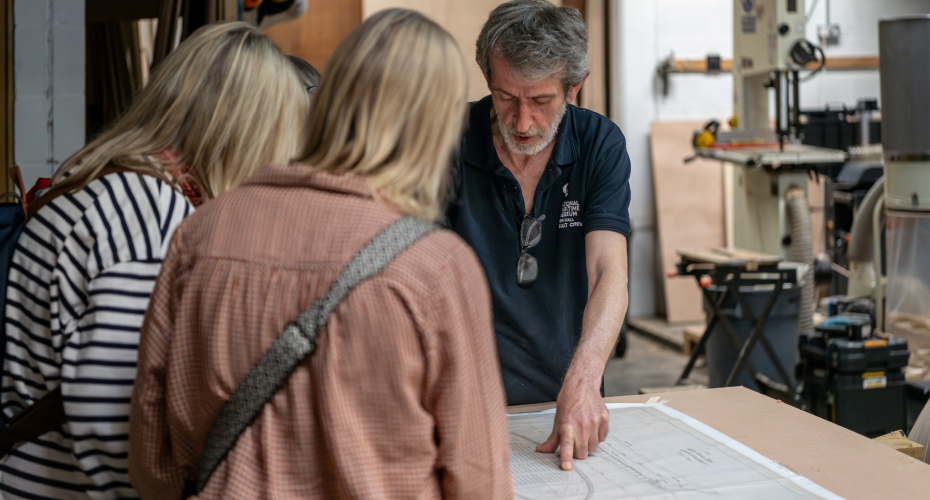
Project staff at the National Maritime Museum Cornwall will also lead two sessions, the first on the Secret Intelligence Service and the challenge they faced in researching clandestine seaborne operations. The second will focus on the beach landing tests they conducted and will include a tour of a replica SN surf boat being built by the team in the Museum’s on-site workshop.
The idea for a joint University-Museum masterclass stems from Professor Pennell’s work as an academic advisor on a scheme between Queen Mary University of London and the Imperial War Museums. In establishing a similar partnership for the region, the University and Museum are not only building on their existing Memorandum of Understanding, but are developing new opportunities to connect regional and national museums and their audiences through cross-university cooperation.
“Working with the National Maritime Museum Cornwall is a great way to bring world-class research to new audiences, while also strengthening community and civic bonds,” adds Professor Noakes. “Together, we can bring together cutting edge research from both the university and heritage sectors, and offer a new – and accessible – perspective on this pivotal moment in 20th century history.”
For more details of the course on 25 April, visit the National Maritime Museum Cornwall’s website.