
Exeter research leads action to create a sustainable pharmaceutical future
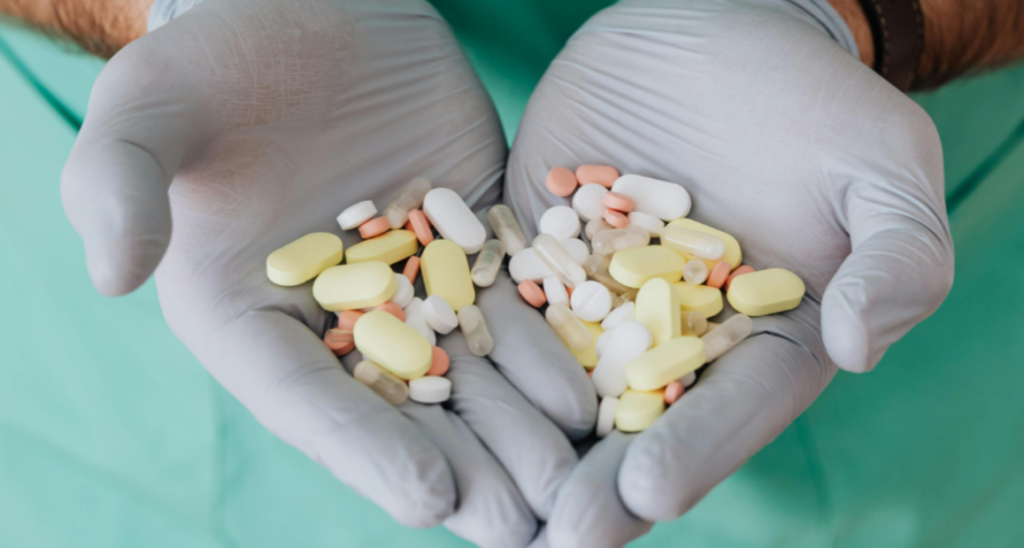
Pharmaceuticals used in healthcare provide huge health and economic benefits to society, but are now found extensively as pollutants across global waterways.
A new paper published in Lancet Planetary Health and co-authored by experts from across the pharmaceutical, healthcare and environmental sectors, offers a comprehensive roadmap to support future national strategies aimed at reducing the public and environmental risks of this pharmaceutical pollution.
With rising levels of pharmaceutical supply and use around the world, there are growing international calls for action to reduce the risks associated with pharmaceutical pollution. The new paper shows that the way we currently supply, use and dispose of pharmaceuticals is unsustainable and needs to change to protect the long-term future of our healthcare and pharmaceutical sectors. Despite efforts to make this change across multiple sectors, progress remains very limited.
The research was led by researchers at the University of Exeter and involved input from a consortium of 48 experts from across industry, policy, academia and the third sector. Together, they have developed a systems-based approach for high-income countries to develop national mitigation strategies. The approach aims to transform the way that our society supplies, uses and disposes of pharmaceuticals.
The authors used a UK case study to identify 37 intervention points that could underpin a future national mitigation strategy.
First author Kelly Thornber said “Pharmaceuticals are deeply ingrained in our healthcare systems and across modern society more broadly, so real-world change is unlikely to happen with “quick-fix” technological solutions alone. Our approach combines these “quick-fixes” with interventions targeting the deep-rooted social drivers of the issue, to support systemic and long-lasting, transformational change.”
Pharmaceutical pollution is a growing environmental problem both globally and in the UK with different pharmaceutical contaminants now detected within English rivers, including those in our national parks which are biodiversity hotspots. For example, oestrogens from the contraceptive pill have been shown to cause feminisation of male fish, affecting their ability to breed. Anti-depressants are also causing fish to adopt more riskier behaviours, making them more susceptible to predation.
As we live longer, we are taking ever more medications to manage multiple health conditions, with up to 90 per cent of these drugs passing through our bodies into sewage. Unused medications are also commonly disposed of down the sink or toilet, ending up in sewage rather than being returned to pharmacies for safe disposal. One UK study reported that only 27 per cent of people returned pharmaceuticals to pharmacies in line with recommendations.
Waste treatment plants vary in their ability to remove these pharmaceuticals from sewage, so many pharmaceuticals are discharged into our rivers or are present in the sewage biosolids that are often spread onto fields as fertiliser. This can lead to extensive pharmaceutical pollution in fresh and estuary waters, and in soils, crops and wildlife.
One of the major barriers to taking action is the lack of good data on the extent of pharmaceutical pollution of UK waterways since no pharmaceuticals are regularly monitored under UK Water Environment Regulations, nor are they are routinely monitored as part of bathing water and drinking water regulations.
Senior author Charles Tyler, of the University of Exeter, said, ‘Pharmaceutical pollution is an issue that has been largely overlooked for too long. This paper sets out a much-needed approach for galvanising action to address this issue and protect our wildlife. Our UK case study illustrates the unsustainable nature of our existing system and the need for a holistic, systems-based approach. We believe our work provides a foundation for the UK to become a global leader in driving action for a more sustainable pharmaceutical supply and use within society.’
To build upon this work and drive action, Dr Thornber and Professor Tyler have co-founded a new national change hub and registered charity, the Pharma Pollution Hub. This hub aims to be an independent platform connecting organisations across research, policy and practice to accelerate real-world action through a systems-based approach.
The authors would like to thank the Medical Research Council and University of Exeter for funding this work.