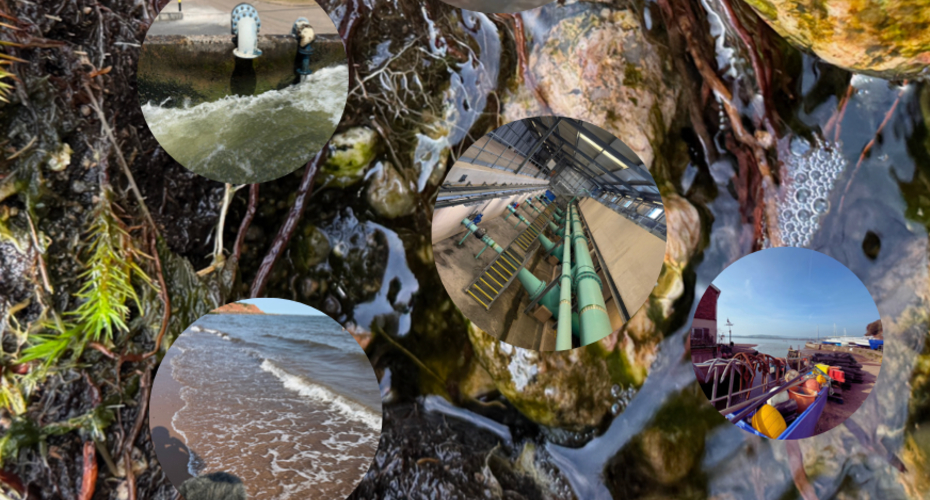
New podcast series follows River Exe from source to sea to discover how drinking water reaches our taps
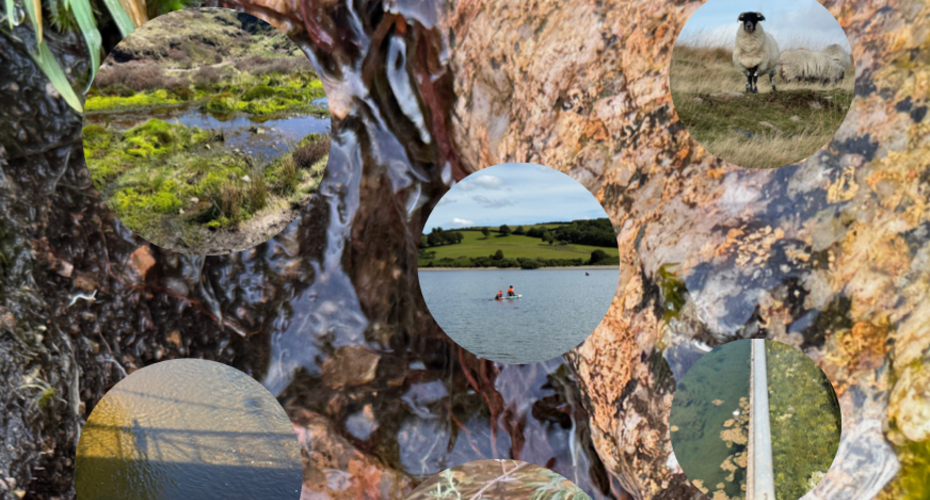
A new ten-part podcast has been released which follows the 60-mile trail of the River Exe from source to sea, exploring how the water system works, the pressures put on it by human practices, and what needs to be done to make sure that we all have a water-resilient future.
The series Storying Water has been created by novelist, sound artist, and academic Dr Ellen Wiles during her stint as artist-in-residence at the Centre for Resilience in Environment, Water and Waste (CREWW), a joint venture research centre between South West Water and the University of Exeter. It charts her journey from Exmoor to Exmouth through the lens of different aspects of the country’s water system.
Beginning with peatlands and moving through topics including reservoirs, drinking water treatment, and estuaries, the podcast features numerous expert voices, from farmers and fishers to industry professionals, scientists and regulators.
In conversation with them, Dr Wiles, a Senior Lecturer in English and Creative Writing at the University of Exeter, explores key societal questions such as what the water system means to people, how our use of it impacts other species, and what is needed to improve and protect it in the future.

“We all turn on our taps daily, yet we rarely think about how clear and drinkable water actually makes its way out of them,” says Dr Wiles. “Nor do we consider what is at stake in enabling that process to continue all year round.
“Our water systems are becoming increasingly fragile as the climate changes, and as humans produce increasing volumes and more potent forms of waste that end up in our reservoirs, rivers, and seas. But, as the podcast discovers, there is plenty of inspiring work being done to make our water systems healthier and more resilient, notably through working in partnership with nature.”
The first four episodes are now available on Spotify and Apple Podcasts.
Dr Wiles has been embedded within CREWW for the past two years on her Storying Water residency, translating scientific research and experience into arts-based engagement, including audio and visual storytelling. She said the podcasts were shaped by her research during that time, as well as through conversations with academics and experts working in the private and third sectors.
She recorded the episodes over the span of the residency, with guests including Dr Robert Bradburne, Chief Scientist at the Environment Agency, Carolyn Cadman, Chief Environment and Compliance Officer, Pennon, Laurence Couldrick, CEO of West Country Rivers Trust, and Richard Brazier, Professor of Geography at the University of Exeter.
Carolyn Cadman said: “The future of our rivers and water resources depends not only on innovation and research, but also on helping people understand the important role water plays in all our lives. Storying Water offers a fresh perspective on that challenge, taking listeners on a journey through the River Exe catchment and showcasing the partnerships, knowledge and practical action helping to build a more resilient water environment.”
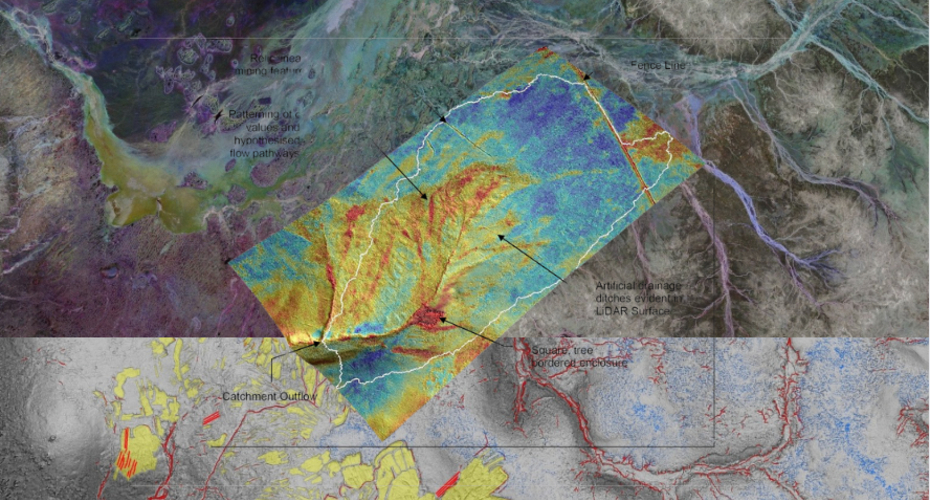
An exhibition on the Streatham campus has also opened this month, featuring striking collages adapted from the work of CREWW scientists, melding satellite data, drone shots, fieldwork photography and microscopy.
There are two short films and a new visual art commission by Emma Molony, who has expressed some of the central ideas of the residency through images painted and screen-printed onto canvas. The exhibition also showcases some of the earlier artist-led activities, such as Shifting Waterscapes, a joint project with artist and Exeter academic Dr Arun Sood.
“This artist residency has been such a rich and illuminating experience for me,” adds Dr Wiles. “And at its culmination, I hope that it highlights the importance of the work being done by CREWW and other organisations on the critical topic of our water and waste systems – and to celebrate the valuable contributions of creative academics based in arts and humanities departments whose work makes a positive impact across fields and sectors of society.”