
Dormice weight fluctuates as climate changes
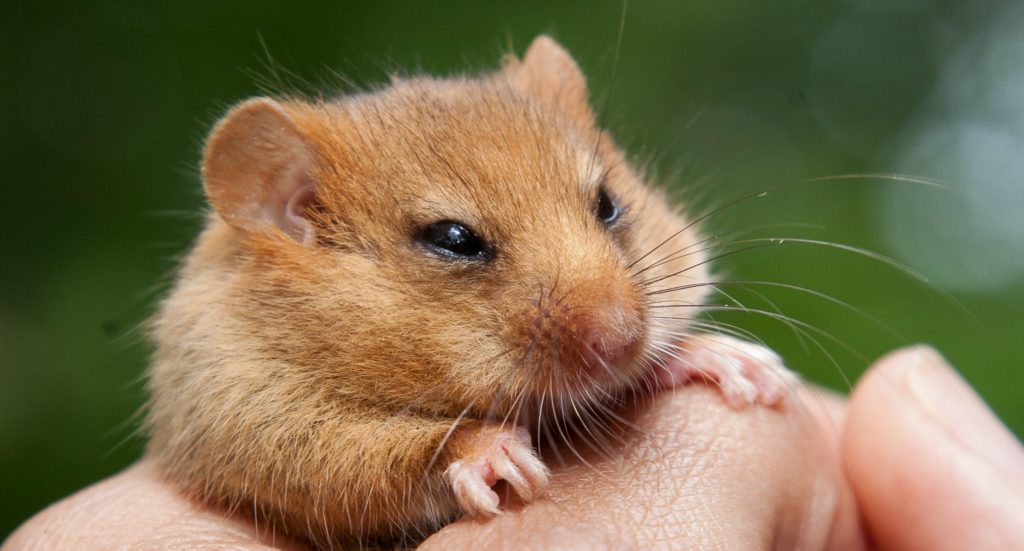
Hazel dormouse in hand. Credit Clare Pengelly
Britain’s hazel dormice are getting lighter in spring but fatter in autumn as our climate changes, new research suggests.
The study used 30 years of data on the weight of dormice at different times of year.
In May and June, after hibernation, average weight has declined over time. This could reflect the fact that smaller individuals have an advantage in warmer temperatures, as small bodies lose heat faster. Alternatively, it could be because dormice are waking more frequently during hibernation and those that don’t die are lighter by spring as a result.
Meanwhile, average weight before hibernation has actually increased, perhaps because increased summer rainfall means more food is available to dormice in their pre-hibernation scramble to store fat.
The study, conducted by the University of Exeter, the Bat Conservation Trust and the People’s Trust for Endangered Species (PTES), was carried out in woodlands across the dormice range in England and Wales.
Britain’s hazel dormice have declined by about 70% since the year 2000, largely due to loss of their woodland and hedgerow habitats, a lack of management and the ongoing impacts of climate change.
The researchers say protecting and improving the condition of woodland, shrub and hedgerow habitats that the species relies on, and connecting our remaining woodlands, is vital for dormouse conservation.
“These two findings about body mass highlight the importance of understanding how climate change affects species at different times of the year,” said Dr Orly Razgour, from the University of Exeter.
“The trend of body sizes decreasing in warmer temperatures is in line with what we see across other mammal and bird species. Heat regulation is vital, and smaller bodies lose heat more effectively in hot conditions.
“The warmer, wetter climate can also have another effect – increased availability of the foods dormice eat, such as hazelnuts, berries, seeds and insects.”
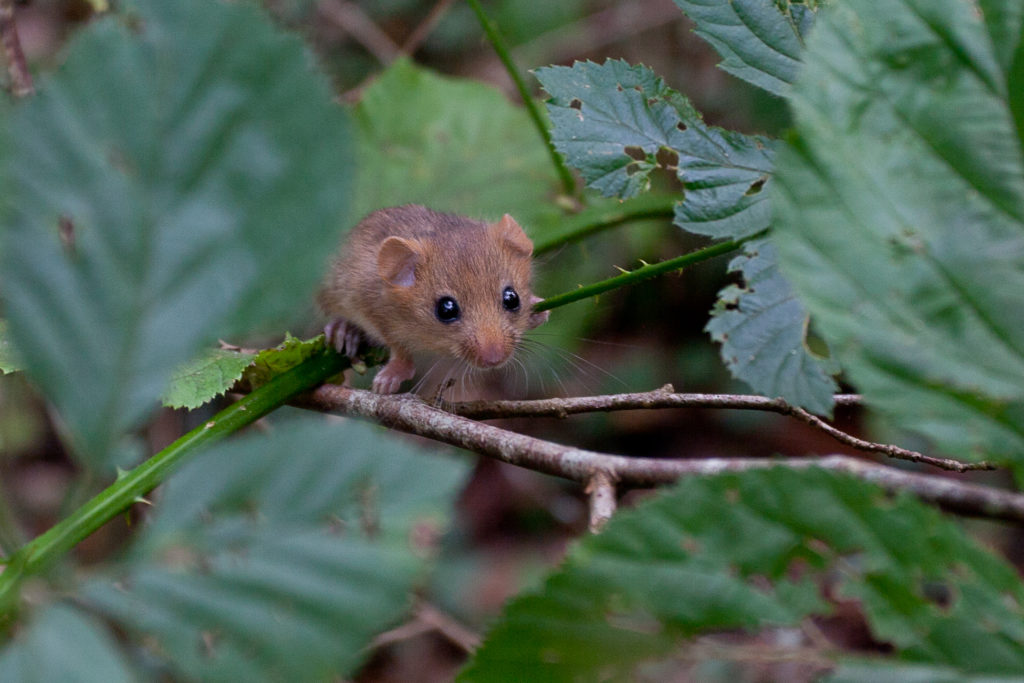
Hazel dormice typically weigh about 20g. The changes in average weight found in the study were: 1g lighter after hibernation, 1g heavier before hibernation (October-November).
As well as investigating the impacts of climate change, the team considered the effects of the makeup of the wider landscape on dormouse weight.
Dormice in woodlands were heavier (and therefore probably healthier) in landscapes that had higher density of hedgerows of 4-6m tall, and lighter in landscapes with small, intensively managed hedgerows.
“To stop the decline of hazel dormice, we need to create more of these habitats that are resilient to the effects of climate change and, crucially, connect them together,” Dr Razgour said.
“As the climate warms, dormice could re-establish themselves further north in Britain, but they need safe corridors like hedgerows to move along. Fragmented habitats surrounded by open ground are a major obstacle to dormice, resulting in population isolation.”
Dr Beth Gillie, who led the study while a research assistant at the University of Exeter, said: “The research sheds new light on how climate change and habitat changes have impacted the only native dormouse species in Britain.
“Our findings show that climate change is affecting dormice in complex ways. Smaller body sizes may help them cope with warmer temperatures, while increased summer temperatures and rainfall can provide a short-term boost in feeding opportunities before hibernation, but unpredictable and extreme weather patterns are likely to have significant negative impacts.
“Dormice are now emerging from hibernation slightly lighter. While we can’t be certain of the cause, warmer and wetter winters may be playing a role. Heavy rain can soak their nests and reduce insulation, forcing dormice to use more energy to stay warm.
“These changes could ultimately have long-term consequences for dormouse populations. Changes in body condition can impact survival and breeding success, so continued monitoring will be essential to understand how climate change is shaping their future.”
Danielle Smith, Connecting People & Landscapes Project Manager, Bat Conservation Trust, said: “This research highlights how climate change and land management are both critical to consider in order to protect dormice in the future. Through the Connecting People and Landscapes project, we’re working with farmers and communities to restore and connect habitats, helping wildlife adapt and thrive in a changing climate.”
Along with the overall decline in dormouse numbers in Britain, their range has shrunk substantially. They are now largely restricted to southern England and Wales, though some are found further north in the Midlands and Lake District.
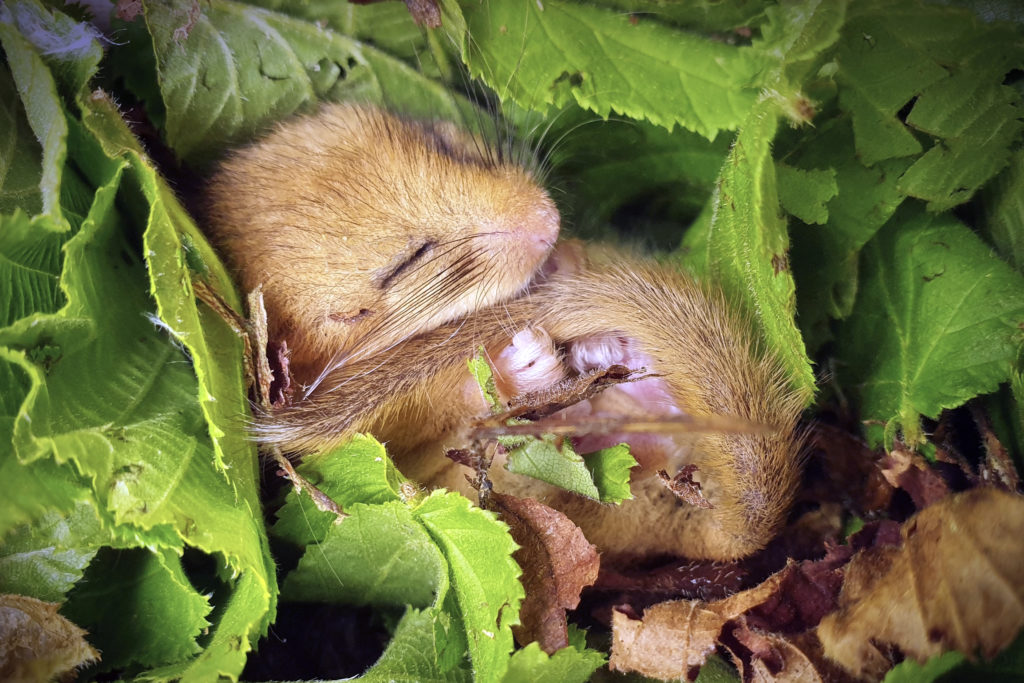
Hazel dormice hibernate over winter in nests on the ground, and 40-70% of the population can be lost during hibernation.
Reproduction typically begins in late spring, with litters of four young. Juveniles start to disperse in October prior to hibernation.
Ian White, from PTES, said: “Hazel dormice are much-loved small rodents that live in some of our woods and hedgerows. But they are in trouble. Many die in hibernation and wet springs and summer can affect their breeding. Helping to create understory in woodlands and managing our hedgerows in a better way could create additional habitats to help this species thrive.”
The researchers used data covering 1993 to 2023 from the National Dormouse Monitoring Programme, a citizen science scheme run by PTES.
The study is part of the Connecting People and Landscapes in a Changing Climate partnership project led by the Bat Conservation Trust.
The project is made possible with The National Lottery Heritage Fund. Thanks to National Lottery players, the project is looking at the impact that climate change is having on wildlife in farming landscapes, focusing on nine threatened nocturnal mammal species.
This project aims to build understanding of how nature-friendly regenerative farming supports biodiversity and creates resilient landscapes, bringing communities and farmers together to connect and learn through events, activities and wildlife monitoring.
The paper, published in the journal Scientific Reports, is entitled: “The effects of climate and land cover on hazel dormouse (Muscardinus avellanarius) body mass over space and time.”