
MPs aided by University of Exeter expert as they consider modernising Parliamentary procedure
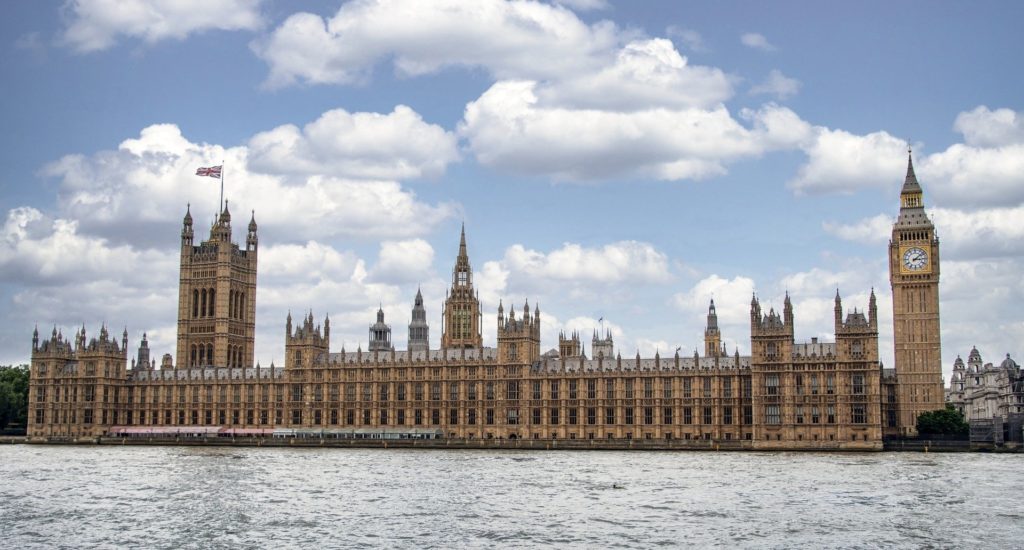
Dr Kolpinskaya held a Parliamentary Office for Science and Technology Academic Fellowship examining the House of Commons as a working environment for disabled politicians
Research by a University of Exeter expert has helped MPs as they consider modernising House of Commons debate rules.
Dr Ekaterina Kolpinskaya’s research was cited in the House of Commons Procedure Committee report that considers the potential introduction of “call lists”, specifically on accessibility of proceedings.
Dr Kolpinskaya argued the current arrangements for debates in the Commons encourage lively and dynamic debate but also make participation “unpredictable and physically and mentally intense” and specifically challenging for disabled members.
The Procedure Committee’s report does not recommend published call lists.
Those who had recommended this change – even on a trial basis, as suggested by Dr Kolpinskaya – said it would make the working day more predictable for MPs, and allow them to plan for caring responsibilities, travel to their constituencies, or manage health conditions or disabilities.
Those from smaller political parties argued it could help them plan their time and ensure their parties were well represented.
Those opposed to the introduction of published call lists suggested it might have a negative effect on the quality of debates and attendance in the House of Commons.
The Procedure Committee report says the informal system currently in play strikes the right balance, ensuring that the power of the Speaker and Deputy Speaker to exercise discretion during a debate is not eroded.
It says the flexibility of the current system allows MPs to respond to nationally significant events and announcements and reinforces the perspective of Parliament as the principal forum for national debate.
The report says: “We do not believe that published call lists in isolation will have the effect which some have suggested. Published call lists would not work unless implemented alongside a broad package of major procedural changes, and would risk causing more problems than they have the potential to solve. Our key recommendation is that call lists should not be published.”
Between 2022 and 2024 Dr Kolpinskaya held a Parliamentary Office for Science and Technology Academic Fellowship examining the House of Commons as a workplace for disabled Members. Her submission to the Procedure Committee was based on the research she carried out during this time.
Dr Kolpinskaya’s evidence said the current rules have disproportionate and adverse effects on ability of disabled Members to fully participate in debates, considering strain on their physical and mental stamina and additional medical needs, including the need to have rest breaks.
She said the introduction of call lists would make planning for these needs and alleviating physical and mental pressures – without excluding disabled Members from debates – easier by making them more predictable by outlining the order and timings of contributions.
Dr Kolpinskaya recommended retaining the Members’ ability to request adjusting the place and manner of speaking in cases of sickness and infirmity and introducing call lists as a temporary measure followed by assessment of the efficacy and suitability of this practice.