
Royal Navy must invest in teaching future leaders to argue and be critical, study warns
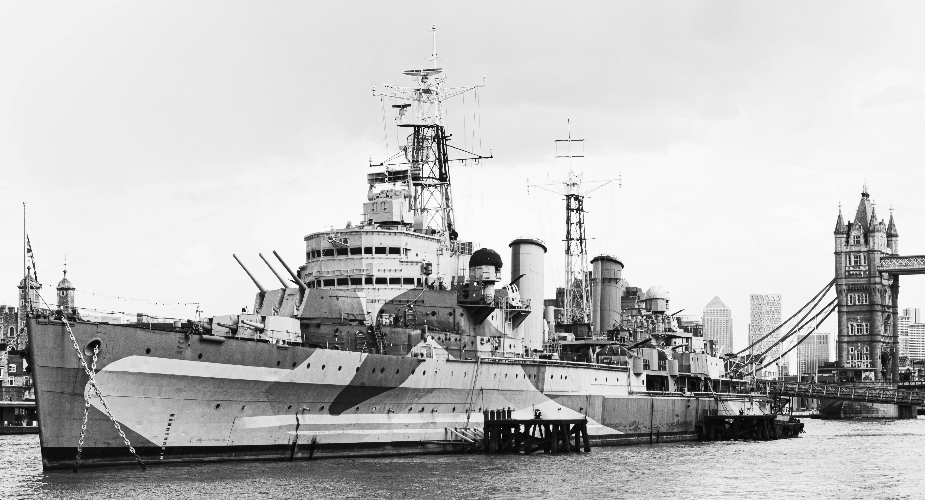
The study says the decline in the capability, mass, and coverage of the Royal Navy began in the 1970s
The Royal Navy needs to reinvest in teaching its future leaders to debate, to argue, to be critical, and to seek and welcome challenge if the service is to be suitable for combat, a new study warns.
The research calls for the focus on diplomacy to be reversed. It is critical of leaders who have “adopted a relationship with technology as their guiding star”.
Any path to recovery will need to “reverse the cultures so deeply engrained and stop promoting officers to positions in which they have no hope of delivering success”.
The essays says successive Royal Navy chiefs have “demonstrated a failure in imagination, an inability to debate and win their cases, constant attempts to maximise utilisation of ships and people instead of preserving their utility for combat and war, and a shared, single-minded vision of an aircraft carrier-centric navy at the expense of everything else”.
This has resulted in a steady degradation of fighting power and reputation across what was once a potent fighting force.
The study is by Dr Peter Roberts, Honorary Senior Research Fellow at the University of Exeter’s Centre for the Public Understanding of Defence & Security. Dr Roberts is a former Royal Navy warfare officer, serving all over the world with a variety of militaries and agencies.
In the essay Dr Roberts says: “The belief in success through sophisticated equipment, rather than through the work of people or a way of fighting, has been reflected in the way sailors, marines and aviators were treated within the service. Chefs, engineers, gunners, maintainers, watch-keepers, medics, logisticians, marines and submariners were all disregarded and overlooked by senior officers who considered that technology would answer every problem they faced.”
Dr Roberts describes how, in 1990, the Royal Navy’s fleet operated in a truly global manner, providing consistent and unbroken presence in the five oceans of the world, and many of the connecting seas.
The study says the decline in the capability, mass, and coverage of the Royal Navy began in the 1970s. Successive governments, political leaders, and other services share a common responsibility, but Naval leaders since the 1990s have not made their case for funding or vessel numbers. They have not outlined a future in which hard military power – the situation the UK now finds itself in – would be needed. The retirement of Falklands War veterans left a gap in corporate knowledge.
Dr Roberts says: “The most deeply entrenched and damaging issue has been the belief, since the 1980s, that the only worthy ambition was for a navy with carrier power at its heart. Naval leaders continued to sacrifice any and every part of the fleet to pay for the flat-tops.
“Naval plans were made with the assumption there would be peace, and technology would determine the victor in any future campaign, that only highly skilled technical people would matter, and that the Royal Navy would never have to fight a conventional war against a near peer adversary again. Naval chiefs saw the role of the fleet as more ambassadorial than preparing for combat.”