
University of Exeter expert supporting efforts to make Parliament more accessible
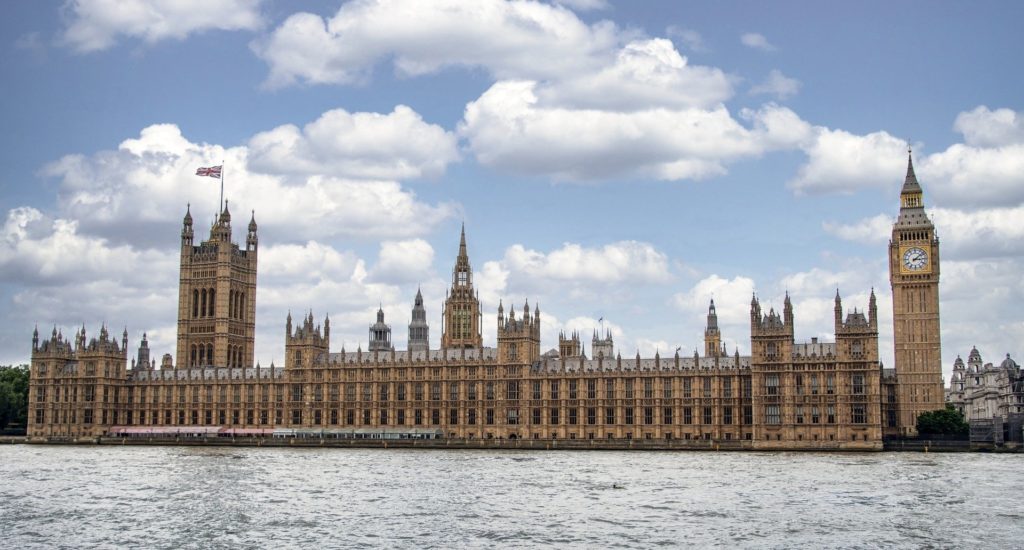
Dr Kolpinskaya held a Parliamentary Office for Science and Technology Academic Fellowship examining the House of Commons as a working environment for disabled politicians
A University of Exeter expert’s work is supporting efforts to make the Houses of Parliament more accessible for MPs, staff and visitors with disabilities.
Research by Dr Ekaterina Kolpinskaya shows the difficulties caused because adjustments for politicians are made on a case-by-case basis rather than systematically. This forces them to adapt to the ways of the House rather than the House adapting to the changing needs of the membership.
Dr Kolpinskaya’s evidence has been cited in a new report by MPs on the House of Commons Modernisation Committee.
The report says accessibility must become embedded in the way the organisation operates, and this will be a challenging cultural shift which will require a determined change of mindset from both MPs and senior House officials.
Dr Kolpinskaya held a Parliamentary Office for Science and Technology Academic Fellowship examining the House of Commons as a working environment for disabled politicians. This work included interviews with members of parliamentary staff and IPSA, peers, MPs and their staff
Dr Kolpinskaya found assessments of disability inclusion in the House of Commons vary – some described the House as ‘incredibly hostile and…ableist’, while others highlighted the considerable contribution of the House services and good will that exists in the House. This reflects a commitment to inclusivity among those who work in Parliament and the practical challenges to operating in a busy and difficult to organise environment, where partisanship trumps collegiality.
In her evidence to MPs Dr Kolpinskaya said improving understanding of disabilities and disability-related needs requires improving record keeping and enhancing information sharing that is contingent on informed consent from Members and trust between Members and the House services and IPSA.
Accessibility could be improved by reducing the unpredictability of the House schedule and reducing the physical strain on members, as well as expanding options to remote participation in Committee work, including in formal meetings, and making serious long-term illness (and injury) permanent criteria for a proxy vote. These changes may be challenging in the context of maintaining institutional effectiveness and fulfilling its legislative role.
MPs on the Modernisation Committee say they heard “powerful testimony” from MPs and staff about the inaccessible design of the building and the issues this causes them in carrying out their duties, but also the mental toll of constantly adjusting to a workplace which is poorly suited to their needs. The report says the negative impact this has on their ability to contribute equally alongside their colleagues is not acceptable.
The report also notes progress, such as work by the House Administration Committee to better involve MPs in work to improve accessibility via the newly established Members Accessibility Group. The work of the Members and Members’ Staff Services Team to create a centralised system for communicating the reasonable adjustments an MP needs was commended.
MPs recommend that the Administration Committee establishes an advisory group made up of external experts, and that this group publishes an annual report to be considered by the House of Commons Commission. A summary of progress against recommendations from accessibility audits should be published annually.
There should be more consistent and clear communication to MPs and all passholders about what reasonable adjustments are available.
MPs said they support the temporary proxy voting arrangements for those with serious long-term illness or injury and deferred divisions (delayed votes) be moved from the current paper system to electronic pass readers. The Clerk of the House and the whips should discuss whether the Reasons Room at the back of the House of Commons chamber could be reconfigured to allow some MPs to vote there rather than having to walk through the lobbies. Thought could be given to a “Reasonable Adjustments card” scheme to reserve seats.