
University of Exeter to lead national modern languages campaign in the region
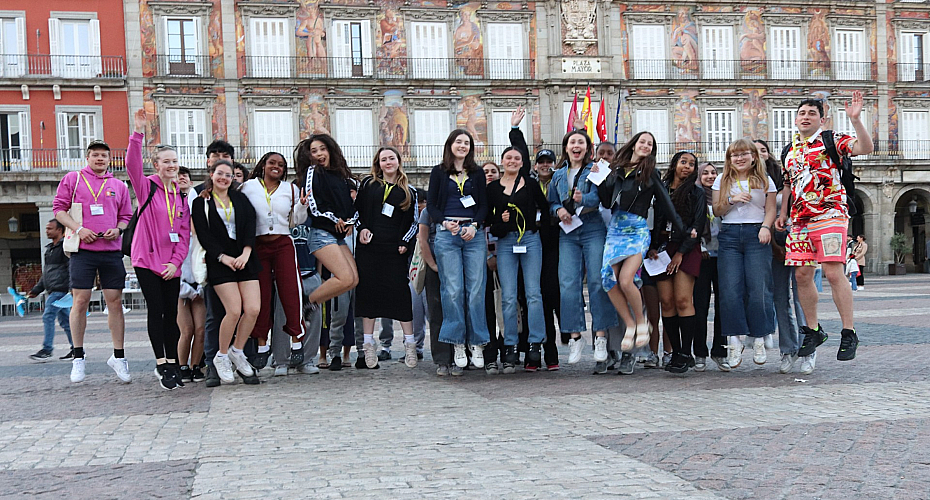
A new campaign tackling the decline in the number of young people learning modern languages at A-level is being launched in the South West.
Languages For All establishes a network of state schools in Cornwall and Devon working together to make advanced modern language study valued, possible and normalised in the region.
Schools will collaborate to deliver joint A-level classes, either after-hours or online, ensuring that every 16-year-old can access the course if they wish to, even if their school cannot afford to deliver the class alone.
A partner university supports the network by providing access to campus events and alumni engagements. In addition, the programme includes a range of activities such as visits to major employers to explore the role of languages in top careers, trips to cultural and political institutions, and an affordable residential experience in Europe.
Developed nationally by The Reach Foundation charity, the University of Exeter will spearhead the South West region’s network, following a successful pilot in Hounslow. The University is currently the only higher education institution offering undergraduate courses in modern languages in the South West peninsula.
More than 20 schools across Cornwall and Devon have already signed up, and to mark the launch of Languages For All in the region, more than 250 Year 11 (GCSE) students and teachers will travel to Exeter’s Streatham campus for a ‘taster day’ (Wednesday 10 December), with various activities including tours and the opportunity to talk to students, alumni and employers. A-level lessons will commence in September 2026.
“We are thrilled to be leading Languages For All here in the South West,” said Professor Liz Jones, Vice-President and Deputy Vice-Chancellor for Education and Student Experience at the University. “We know that the national picture for learning modern languages is a challenging one, but through our long-established links to partner schools, and by working closely with the team at Reach Foundation, we hope we can make an inspiring and compelling case for young people to consider them as they progress to their A-levels and university.”
Over the past 20 years, the number of A-level students taking modern languages has fallen by around 20%, with the decline recorded most sharply in French and those modern languages outside of the three most popular (Spanish, French and German). Among the contributing factors has been reduced provision beyond GCSE-level, with fewer colleges teaching it, and therefore fewer students progressing to university.
Languages for All is working to improve this through its collaborative model, whereby a lead school hosts weekly A-level classes, with partner schools either sending pupils or arranging for online access. A programme of complementary activities is also offered, with support from the University, including excursions to major employers to learn how languages are required for top jobs, trips to cultural and political institutions, and an affordable residential in Europe.
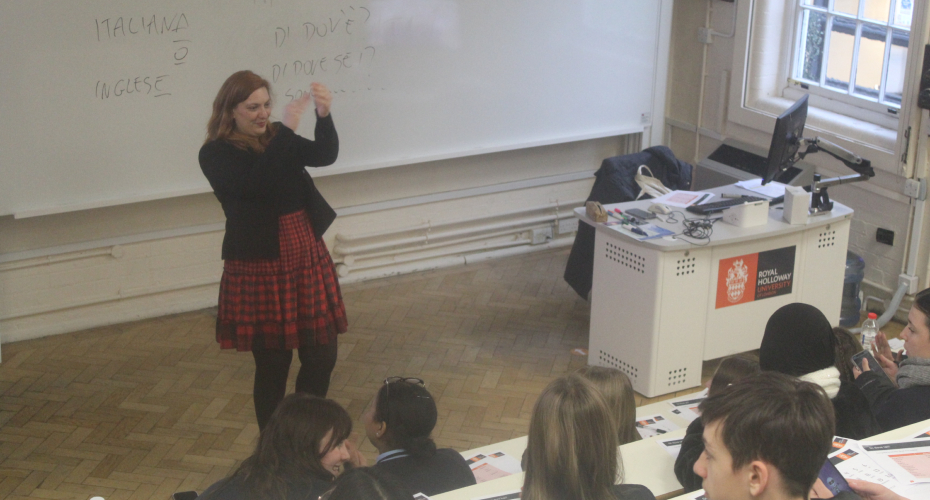
The pilot project in Hounslow, last year, succeeded in doubling the number of A-level language students, and it’s hoped this success can be repeated through new regional hubs around the country, with the South West the first to launch.
“Languages For All is a locally rooted, nationally connected approach to opening up modern languages to schools and schoolchildren,” says Michael Slavinsky, Managing Director, Languages For All. “It makes languages more relevant to students, reduces the cost challenges for schools, and draws upon the expertise of our university partners in showcasing the exciting opportunities that lie in wait once they leave school.
“Currently, our homegrown linguists are being disproportionately cultivated from selective schools and we’re missing out on the diversity of talent in our state schools. We believe every child in the UK should have the opportunity to study languages to a high level.”
Pupils in Year 11 with an interest and aptitude in languages will be invited to join the programme by the University, and brought onto campus for taster sessions.
Languages For All is being orchestrated by the University’s Department of Languages, Cultures and Visual Studies and the Institute of Arab and Islamic Studies.
“Learning modern languages opens doors to opportunities both here in the UK and around the world, enhancing intercultural understanding and global engagement,” adds Professor Fiona Cox, Head of LCVS. “As such, they are a key driver of social mobility. They are also the gateway to new vistas and opportunities for any and every area of interest. This campaign is also closely aligned with our Strategy 2030 and our commitment to creating a fairer future for all.”