‘Outstanding’ Exeter Climate Forum concludes
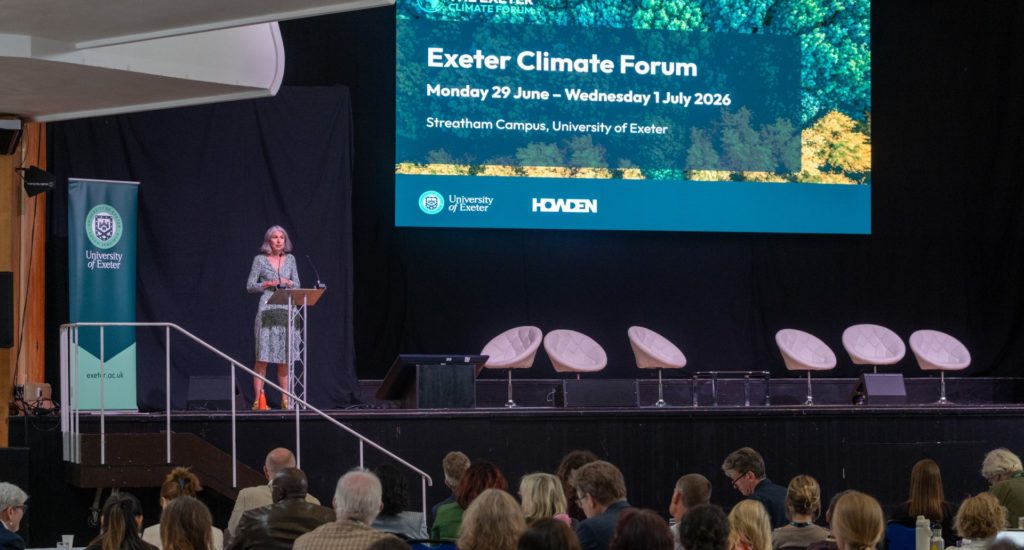
CBI chief executive Rain Newton-Smith was among the speakers at the Exeter Climate Forum
The Exeter Climate Forum has been hailed as an “outstanding” success.
About 400 climate researchers, business leaders and policy makers gathered at the University of Exeter’s Streatham campus this week for dozens of talks, workshops and networking events.
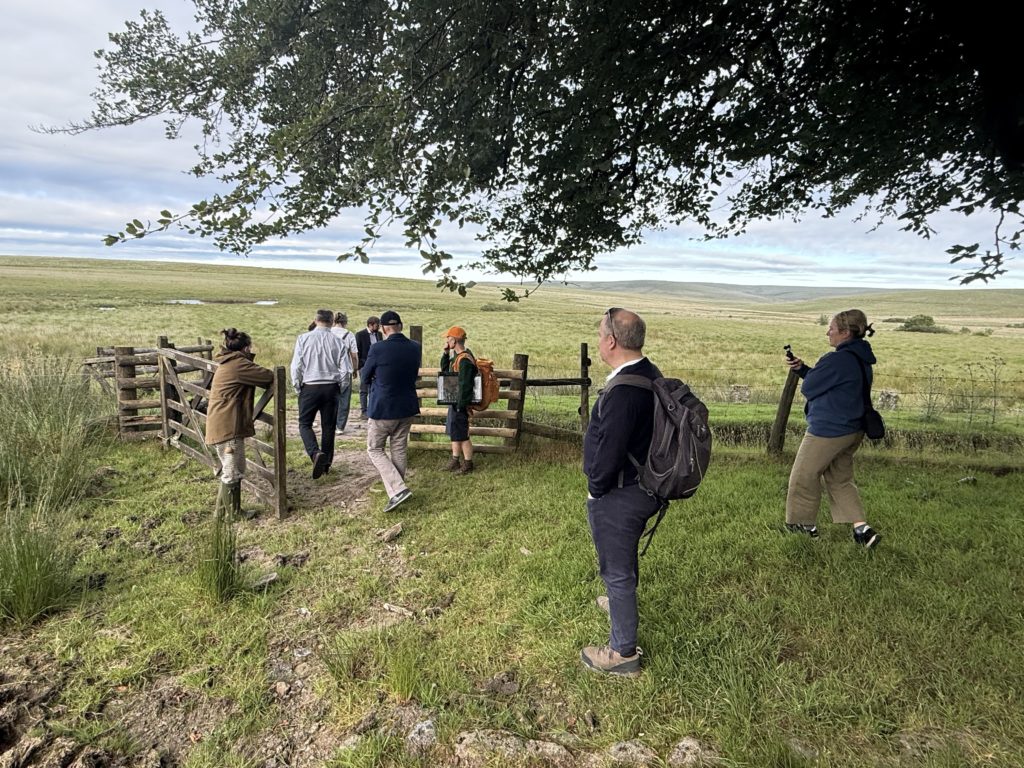
Highlights included leading speakers on climate science and policy, collaborative sessions designed to drive bold action, and trips to see some of Devon’s fascinating conservation projects.
Speakers included Rain Newton-Smith, Chief Executive of the Confederation of British Industry, Rachel Kyte, UK Special Representative for Climate, and Professor Sir Ian Chapman, Chief Executive of UK Research and Innovation.
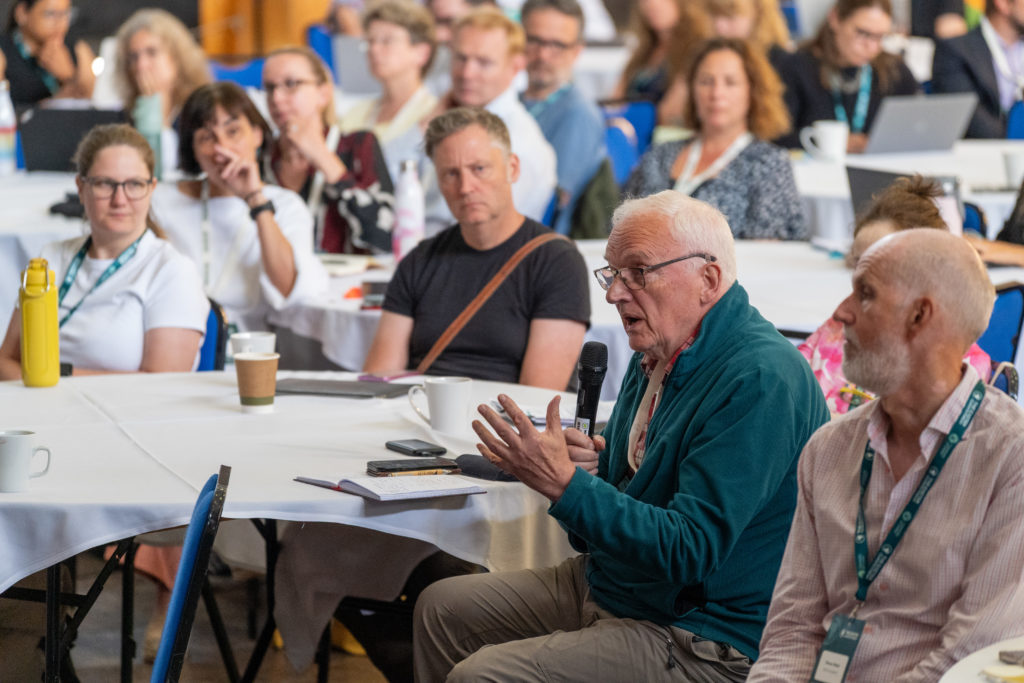
Stuart Brocklehurst, Exeter’s Deputy Vice-Chancellor for Business Engagement and Innovation, said: “Our aim for the Forum has been to bring together researchers, business leaders and policy makers in the belief that greater engagement between those who study our world and those making decisions that affect our lives can contribute both to improved decision making and strengthen the pertinence of our research.
“I hope it has played a small role in accelerating the action we need.”

Conference delegate Ian McFadzen, chief executive of the Ocean Conservation Trust, praised the Exeter Climate Forum as an “outstanding” event.
He said: “What stood out was the University’s remarkable ability to convene world-class academics alongside sector-leading professional services colleagues, policymakers, businesses and practitioners.
“That combination of academic excellence and professional capability positions the University as an important catalyst for the partnerships needed to address society’s biggest challenges.
“The panel discussion I had the privilege of chairing was one of the personal highlights. The energy in the room was genuinely refreshing, with panellists and audience building on one another’s ideas in a way that felt authentic, challenging and ultimately optimistic.”
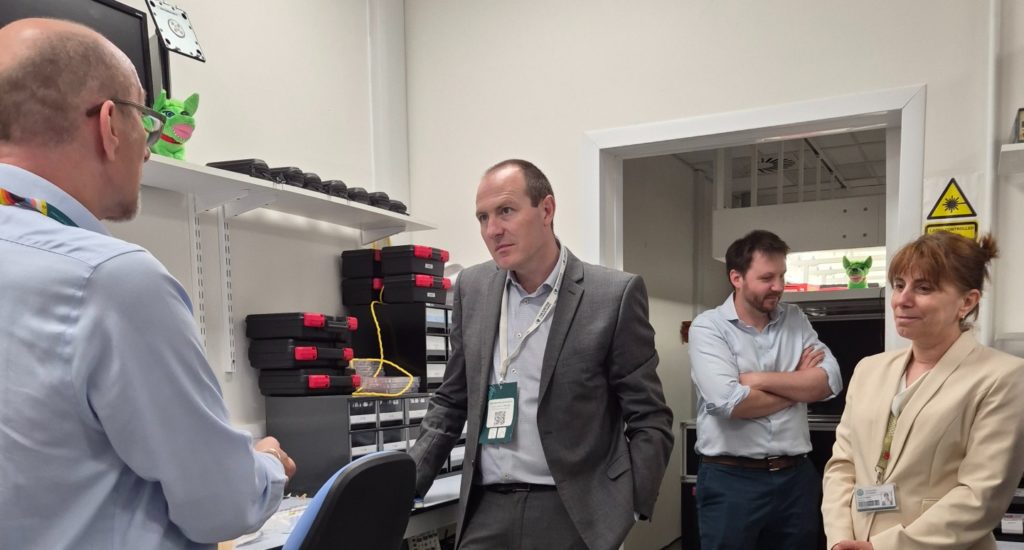
Talks during the Forum week covered subjects including the severe cost of failing to tackle climate change, the likelihood of a severe El Niño event, and the potential collapse of the Atlantic Meridional Overturning Circulation (AMOC).
Sessions also highlighted the progress that has been made: for example, the UK has more than halved its emissions since 1990 and there are now 35 countries with growing GDP and falling emissions.
And talks explored positive tipping points, where small changes in societies and economies can spark rapid emissions reductions and support nature and climate recovery.