Interdisciplinary workshop sparks new opportunities in marine research
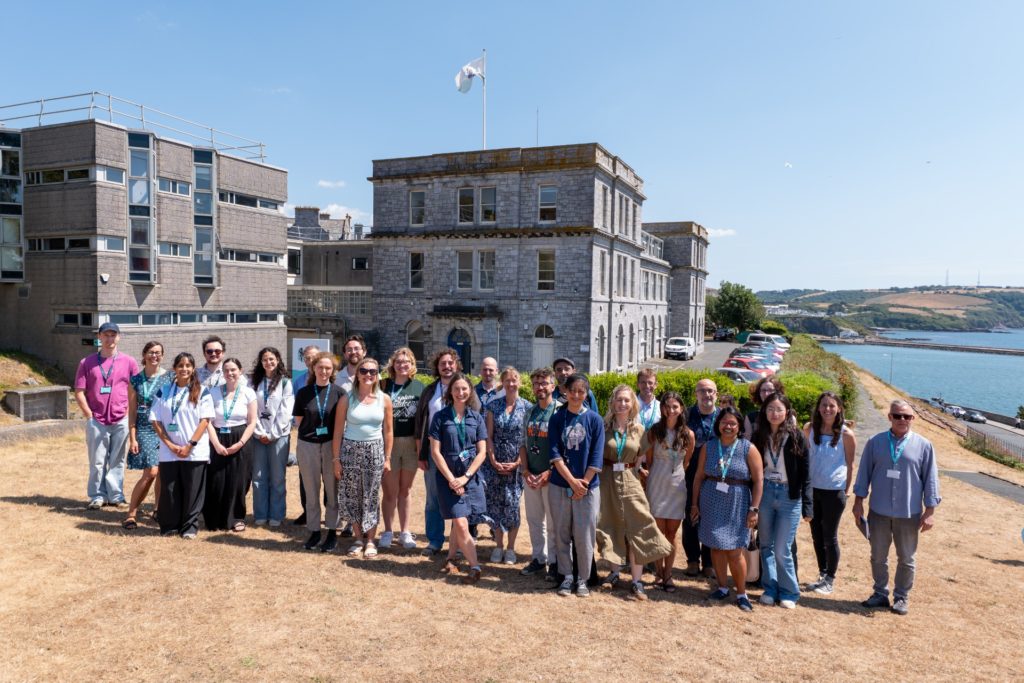
Researchers from the Marine Biological Association (MBA) and the University of Exeter’s Living Systems Institute (LSI) attended an interdisciplinary workshop focused on the cell and environmental biology of marine microbes and plankton.
The event on Monday July 20 brought together academics working across a diverse range of disciplines, including marine microbiology, biophysics, structural biology, cell biology and ecology.
The aim of the workshop was to identify shared research interests and stimulate new collaborations that bridge the gap between molecular, cellular and environmental approaches to marine science.
The event featured presentations from both MBA researchers and University of Exeter academics, alongside a poster session showcasing ongoing projects from established and early-career scientists.
Research topics included microbial interactions, harmful algal blooms, marine invertebrate development, and long-term changes in plankton communities.
The event was hosted by Professor Kirsty Wan from the University of Exeter’s Living Systems Institute,, and MBA Senior Research Fellow Dr Katherine Helliwell who holds a joint appointment between the University of Exeter and MBA.
Dr Helliwell said: “It was inspiring to see such a wide range of research interests represented in one space. The discussions highlighted just how much potential there is for interdisciplinary approaches to advance our understanding of marine microorganisms and plankton ecosystems.”
Professor Wan said: “The MBA in Plymouth has a great history and tradition of advancing marine biological research, with over a century of discovery that has shaped our understanding of marine ecosystems and the molecular and cellular mechanisms that underpin the complex physiology of marine organisms.
“This successful and inspiring meeting marks the first visit of this nature between the Living Systems Institute and the MBA. As marine biological research enters a new interdisciplinary era, we are excited to build on these collaborations to harness our complementary expertise to create lasting partnerships to better understand and protect our oceans and the diverse lifeforms they support.”