Historians awarded Fellowships of the British Academy
A pair of world-renowned history scholars have been recognised for their work after being elected Fellows of the British Academy.
Professor Jane Whittle and Professor Mark Jackson were among five academics at Exeter – four of whom are based in the Faculty of Humanities, Arts and Social Sciences – to receive a Fellowship following the announcement today (Friday).
The Fellowship is the highest honour that the Academy confers on UK residents in recognition of scholarly distinction in the humanities and social sciences.
In receiving it, Professors Whittle and Jackson join luminaries including Seamus Heaney and Sir Winston Churchill.
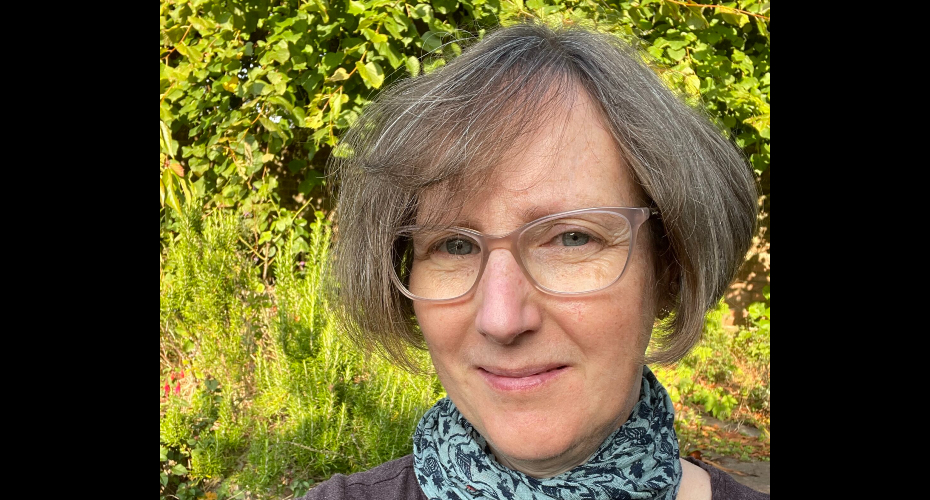
“I am absolutely delighted to have been elected to a fellowship of the British Academy,” Professor Whittle, of the Department of Archaeology and History, said. “It is a great honour, and I look forward to playing an active role in supporting the Academy and championing the value of our disciplines.”
Professor Whittle’s research explores the history of work/labour, economic development, household economies, material culture and consumption, from the late medieval to the early modern period.
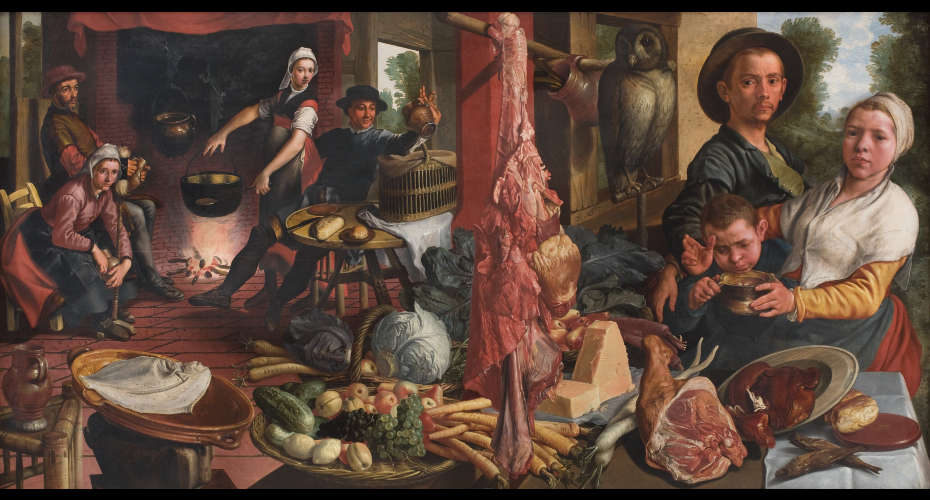
In 2019, she won a prestigious European Research Council Advanced Grant of €1,666,565 to investigate the day-to-day working lives of ordinary people, including women and children. The findings of this five-year project were captured in Professor Whittle’s book, released in autumn last year, titled The Experience of Work in Early Modern England.
She presented the Economic History Society’s annual Tawney Lecture in 2023, is a Fellow of the Academy of Social Sciences, and a former chair of the British Agricultural History Society.
Professor Jackson, whose doctoral research was funded by the British Academy, started his career as a qualified doctor before moving into academia. He is renowned for his research focusing on the social and cultural history of modern science and medicine and the history of crime and justice since the seventeenth century. He has particular interests in the history of allergic diseases, such as asthma, hayfever and eczema, the history of stress, and the history of life transitions including the midlife crisis and retirement.
Since 1991, he has been awarded over £13 million in research grants, including £8.7 million for the interdisciplinary Wellcome Centre for Cultures and Environments of Health and the WHO Collaborating Centre on Culture and Health. In 2018, Professor Jackson was awarded the Wilkins-Bernal-Medawar Medal by the Royal Society for his contributions to popularising the history of medicine and medical humanities. He chaired the History sub-panel in REF 2021.

“I am delighted and honoured to have been elected to the British Academy, which nearly forty years ago funded my doctoral research, enabling me to transition from a life in medicine to an academic career in history,” said Professor Jackson. “I am looking forward to working with Fellows and staff at the Academy to sustain world-leading research and teaching, develop careers and encourage the beneficial impact of our research on people and the economy.”
Founded in 1902, the British Academy is a funder of both national and international research, and a forum for debate and public engagement. It consists of more than 1,800 of the leading minds in these subjects from the UK and overseas.
Current Fellows include the classicist Professor Dame Mary Beard, the historian and China expert Professor Rana Mitter and philosopher Professor Baroness Onora O’Neill.
Welcoming the new Fellows for 2026, the President of the British Academy, Professor Susan J Smith, said: “I am delighted to welcome our newest Fellows to the British Academy. Each has made an outstanding contribution to their field, and together they reflect the remarkable breadth and depth of scholarship across our disciplines.
“At a time when society is grappling with radical uncertainty in the face of technological, economic and environmental change, the humanities and social sciences have never been more important. Insights from economics, geography and political studies help us navigate geopolitical tensions, while literature, history and philosophy – to name a few of the disciplines the Academy represents – fuel our creative industries and help people to better understand themselves and each other.
“Our new fellows join a community of scholars with unparalleled expertise, dedicated to advancing research, fostering collaboration across disciplines and demonstrating the value of the humanities and social sciences. I am proud to give my warmest congratulations to them all on their election today.”