Women in the Indian Armed Forces suffer systemic discrimination across all stages of their military careers, study shows
Experts have identified persistent unfairness across recruitment, career progression, combat roles, pay and benefits, and institutional culture
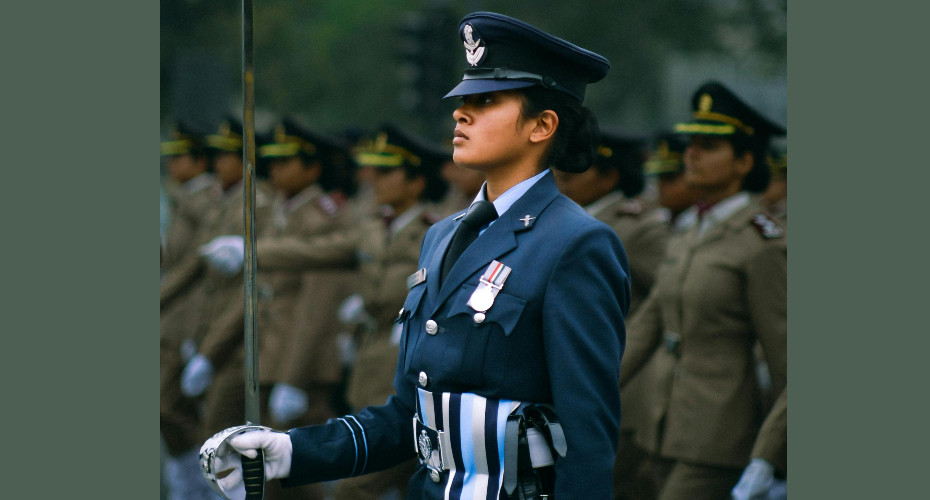
Women serving in the Indian Armed Forces suffer systemic discrimination across all stages of their military careers, a new study shows.
Experts have identified persistent unfairness across recruitment, career progression, combat roles, pay and benefits, and institutional culture.
While legal interventions, particularly Supreme Court judgments, have helped to bring about greater gender equality, implementation remains problematic. Discriminatory practices are deeply embedded in military institutional culture.
Addressing these issues requires not just policy changes but a fundamental shift in institutional culture and mindset. There is a need to restructure criteria for promotions and implement robust measures to stop harassment.
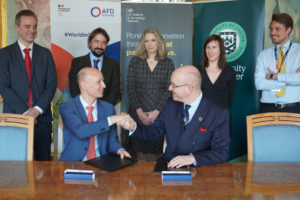
The study was carried out by Mohit Yadav, the founder of AltInfo, an Indian legal technology company, Gaurav Pathak from Jindal Global University and Anush Ganesh from the University of Exeter. Researchers examined landmark legal cases, policy frameworks, and institutional practices from 1992 to 2024.
Mr Yadav said: “The persistent patterns of gender discrimination we have found suggests the issues are institutional rather than branch-specific.
“Systemic discrimination against women in the Indian Armed Forces persists across all stages of their military careers. From recruitment and entry barriers to challenges in career progression and promotion, women officers continue to face institutional obstacles that their male counterparts do not.”
Dr Ganesh said: “The persistence of gender-based discrimination is particularly evident in the continued exclusion of women from most combat roles, and the prevalence of a masculine organisational culture that often marginalises women’s experiences and contributions.”
The study outlines how “significant work remains” to ensure fairness for women soldiers. Researchers say as legal battles and policy debates continue, it is essential for the armed forces to embrace the spirit of equality, recognising women as full partners in national defence.
The Supreme Court has specifically disallowed gendered discrimination on basis of physiological or biological limitations. Despite this judgment, primary combat roles remain closed to women and significant restrictions remain on their participation in combat arms and operational duties. The non-combatant status of women officers continues to have significant implications for their rights, opportunities, and career progression. Exclusion from combat arms limits career prospects as many top Army positions are virtually reserved for combat arms.
The exclusion from combat roles also limits opportunities for women to gain operational experience and develop expertise in core military competencies. This can create a self-fulfilling cycle where lack of combat exposure is used to justify continued restrictions.
The study says responses to discrimination and abuse reported by female soldiers have seen priority given to protecting the reputation of the armed forces over ensuring justice for victims of harassment and assault. This perpetuates a culture of impunity that allows such abuses to continue.
Cultural biases are seen in official policies and publications and reflects broader institutional attitudes that marginalise women’s contributions across all military services.
The study recommends the Indian Armed Forces could revise promotion criteria and evaluation processes to ensure they are gender-neutral and based on merit alone. They could implement robust mechanisms to prevent bias in performance evaluations and promotion boards and set targets for women’s representation in senior ranks. They should also provide mentorship and leadership development programs specifically designed to support women officers’ career progression.
Policy reviews should aim to eliminate discriminatory practices and merit-based promotion criteria sensitive to the unique challenges faced by women officers should be adopted, accompanied by leadership programs to support their rise to senior ranks. Regular gender audits of military practices, with transparent progress reports on gender equality goals, would promote accountability.
Dr Pathak said: “Reforming harassment reporting mechanisms to ensure confidentiality and protection from retaliation is essential. A review of pay and benefits for parity between male and female personnel in equivalent roles is overdue.”