
Focus on ‘personal virtue’ in Theranos scandal overlooks systems failure
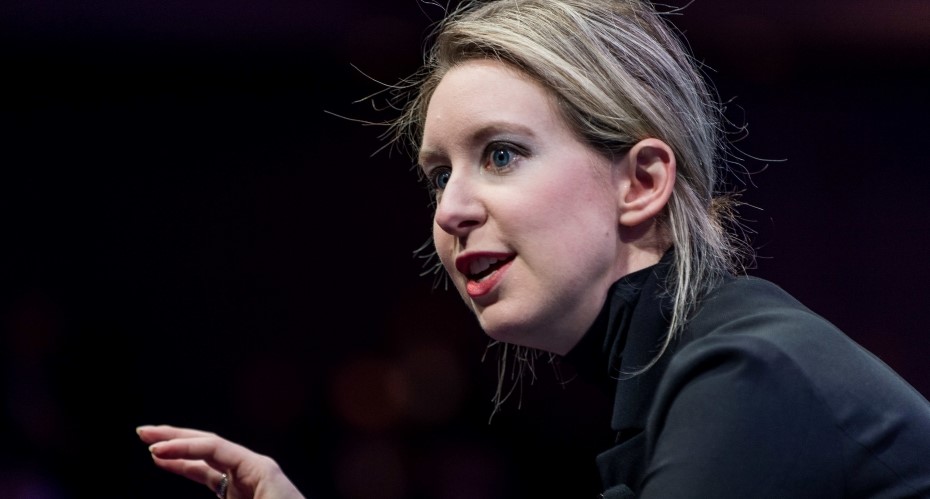
Theranos founder Elizabeth Holmes. Image: Stuart Isett/Fortune Global Forum/Creative Commons
Understanding the conditions in which Theranos operated – and not obsessing over personalities – is key to preventing similar corporate scandals in the future.
A new study, published in Journal of Business Ethics, examines the Theranos scandal, which saw the leaders of a fraudulent blood-testing startup convicted in 2022.
The case of Theranos has been presented as one of unethical leadership, with the story of the firm’s downfall largely focused on the actions of its CEO and COO, who made misleading claims to attract investment and inflate the company’s valuation.
But Dr Peter Stephenson, a Lecturer in Management at the University of Exeter Business School, argues this is an oversimplification.
“Focusing solely on the personal virtue of individual leaders overlooks the wider system in which those leaders operate,” Dr Stephenson said. “The Theranos case involved a complex network of influences – from investor pressures and governance decisions to media narratives and Silicon Valley culture – that collectively shaped the outcome.”
Dr Stephenson and his co-author Dr Richard Bolden from the University of the West of England, reviewed the dominant approaches to leadership ethics in academic literature, and found that prevailing models rely heavily on individual leader character traits, such as honesty and integrity.
They analysed multiple accounts of the Theranos scandal, including media reports, legal proceedings and the perspectives of employees, to highlight the diverse factors that influenced decision-making and shaped interpretations of the case.
These include the Silicon Valley culture of high-risk optimism; the role of venture capital investors who prioritise rapid growth and expect significant returns; an internal governance structure that concentrated power at the top of the organisation; incentives such as stock options that may have discouraged employees from speaking out or leaving the company; and favorable early media coverage.
The study argues that deterring another Theranos-style scandal requires more robust systems of auditing, governance and accountability that extend beyond top executives.
“We’re urging policymakers, business leaders and scholars to reconsider how leadership ethics are conceptualized and to design institutional safeguards that reduce the likelihood of similar failures in the future,” said Dr Stephenson.
“Beyond the Unethical Leader: A Dispositional Analysis of Unethical Leadership in the Case of Theranos” is published in the Journal of Business Ethics.