
Dance embodies research on NHS staff’s experience of menopause
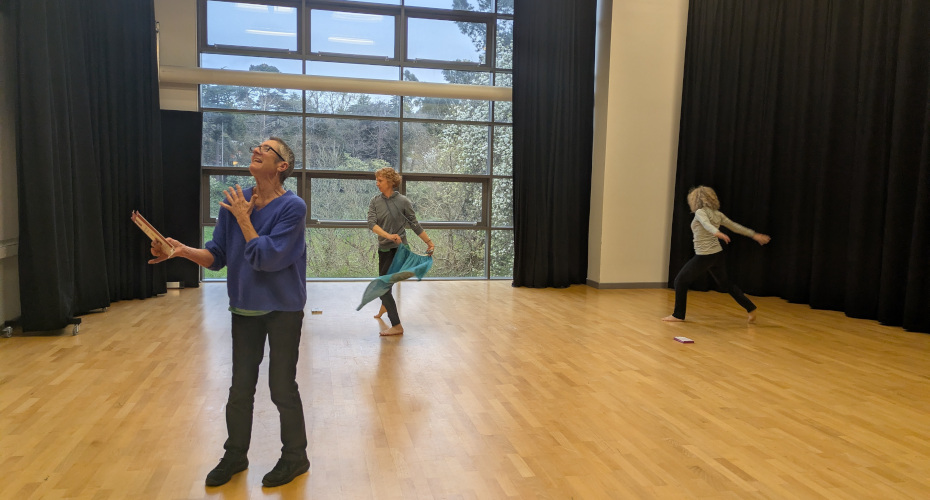
A dance performance will explore the findings of a study which show that even top level NHS staff struggle to navigate menopause.
Researchers at the University of Exeter conducted interviews with NHS staff at all levels across four NHS trusts based across the country.
Findings from the 39 interviews revealed that even the most skilled and high-ranking health professionals struggled to come to terms with the changes in their bodies and their work-life patterns. The research, which is yet to be published, revealed this was because of stigma, and a lack of over-arching support from systems.
Research lead Dr Fatma Sabet said the idea for the dance performance came about from wanting to showcase the hidden experiences of the NHS staff in creative ways, which aim to resonate with viewers. She secured a grant from the MPS Foundation, and partners with the Dance Lab Collective to create the performance, named the Silent Transition.
Dr Sabet said: “We discovered that the NHS staff who we rely on to guide us through menopause are struggling to navigate the experience themselves. Our interviewees described experiences of structures that stigmatise, silence and can discredit women’s experience of menopause, in the working environment and in wider society. I hope our performance will help people feel less alone, and ultimately contribute to a change in culture where women are better supported through this natural transition.”
The performance will feature Dr Sabet performing alongside the dance artists, delivering spoken word extracts from participants’ interviews. It will also feature soundscapes created by Tom Law Says, who is filming the performance.
Menopause: The Silent Transition will be performed at the Hall in Exeter at 6.45pm on Friday 26 June, followed by a panel discussion. Reserve your place.