
Legal reforms to stop abusive SLAPPs fail to stop chilling effect of the powerful, study warns
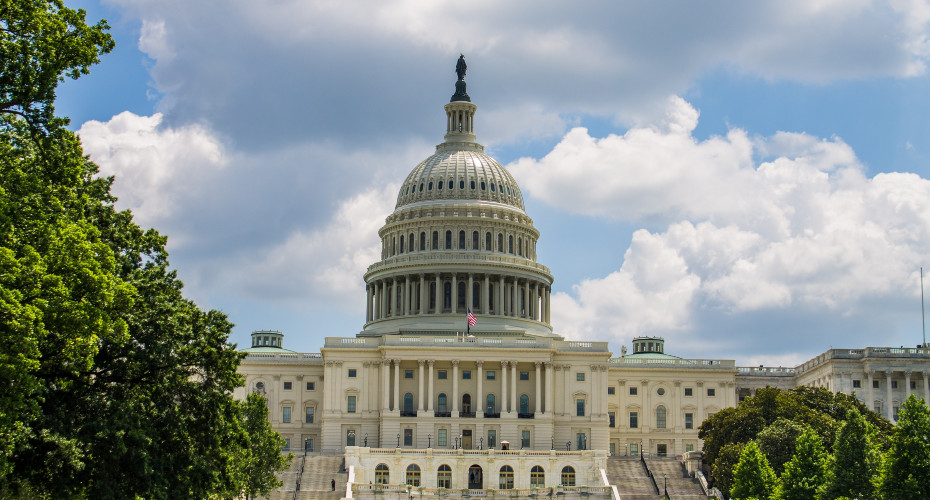
There have been reforms at the US state level, as well as the UK 2025 SLAPP Bill and measures in the Economic Crime and Corporate Transparency Act, and the 2024 EU Anti-SLAPP Directive
Legal reforms designed to curb the abusive use of “SLAPPs” are insufficient to stop the rich and powerful trying to block freedom of speech, a new study warns.
Measures in the USA, UK and the EU to stop strategic lawsuits against public participation do not address the deep-seated inadequacies in the law which have a chilling effect on journalists and whistleblowers, the research says.
Strategic lawsuits against public participation are a misuse of the legal system, through bringing or threatening claims that are unmeritorious or abusive to stifle lawful scrutiny and publication. They are often used by corporations and other powerful actors accused of corruption or wrongdoing.
There have been reforms at the US state level, as well as the UK 2025 SLAPP Bill and measures in the Economic Crime and Corporate Transparency Act, and the 2024 EU Anti-SLAPP Directive.
The study argues there are still structural vulnerabilities, and the legislation has limited focus. This leaves gaps that allow SLAPPs to flourish. It calls for a focus on strengthening global networks, so together they can use their soft power to ensure SLAPP perpetrators face reputational consequences that transcend national borders.
Researchers urge policymakers to build national legal systems that allow victims of SLAPPs to seek remedies, and which address the misuse of legal instruments. This must incorporate a systemic mapping of cases and dedicated training for the judiciary.
The research also says legal flaws must be addressed. This involves codifying clear SLAPP indicators and empowering courts as well as other regulatory bodies to formally label abusive claims as SLAPPs.
Dr Costantino Grasso, Associate Professor in Law at the University of Exeter Law School, who carried out the research, said: “We have a legal system where truth-tellers vindicated on public interest grounds can still face financial ruin. Abusive claims are driven, designed and executed by professional enablers.
“With formal responses from authorities often perceived as slow or inadequate, the chilling effect on journalists, whistleblowers, and public watchdogs intensifies. This ongoing institutional inertia leaves truth-tellers to bear both material and psychological harm, while the broader damage to democratic systems goes unaddressed.
“The development of increasingly effective regulatory instruments is a positive trend, but is tempered by a strong reluctance on the part of states to adopt legislation that is genuinely effective in protecting truth-tellers and holding power to account.”
The study shows how the challenge for those in the USA is the fragmented patchwork of state statutes and an uncertain federal stance on anti-SLAPP protections. A solution would be the enactment of a comprehensive federal anti-SLAPP statute. This could be built around a “most protective rule” principle requiring courts facing conflicts between state and federal standards to apply the norm that affords greater protection to public-interest speech.
Dr Grasso warns the EU’s Anti-SLAPP Directive’s promise will remain largely rhetorical unless member states extend equivalent safeguards to domestic cases and revisit criminal defamation rules that magnify chilling effects. He says the European Commission must rigorously monitor implementation and not hesitate to launch infringement procedures against non-compliant states.
In the United Kingdom there should be deeper changes to defamation law and clearer duties for professional enablers.
Dr Grasso said: “A lack of global consensus creates an infertile ground for the universal adoption of robust anti-SLAPP standards and accountability mechanisms. While a global framework remains a laudable long-term goal, the most pragmatic and productive path forward in the current historical moment lies in strengthening legal protections at the national and regional supranational level.
“The most promising path forward lies in strengthening the global networks among organisations, civil society actors, and political forces, so that pressure can be exerted not only within individual countries but also through internationally coordinated initiatives that hold abusive litigants and their enablers to account across borders.”
Dr Grasso previously served as a corporate governance and compliance specialist with the UK Serious Fraud Office, contributing to the first English Deferred Prosecution Agreement, and serves as an international anti-corruption expert for the Council of Europe.