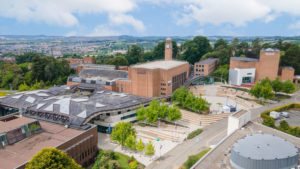
University of Exeter hosts national conversation to pave way for a new era of graduate jobs
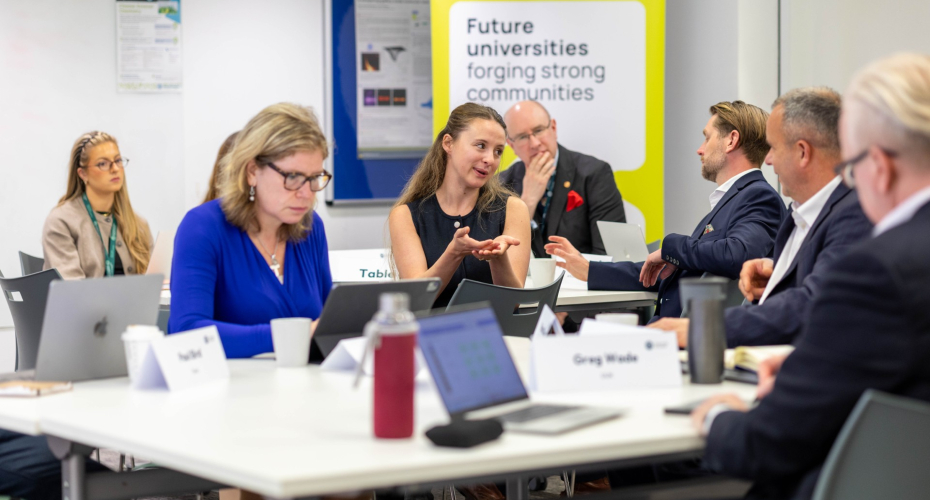
Civic leaders, businesses and higher education institutions from across the South West have gathered at the University of Exeter to help shape a national conversation around graduate jobs for the future of the economy.
The Future Jobs roundtable, led by Universities UK, focused on how higher education can better equip graduates in the region with the skills that businesses need now and in the future.
It was the sixth roundtable of a national series that has visited all corners of Britain this year. The evidence gathered will shape a new national roadmap to be unveiled by Universities UK later this year.
The session drew representatives from leading organisations, including the Met Office, the NHS, Devonport Dockyard, Devon County Council, the three higher education institutions in Plymouth, and entrepreneurs in fields such as AI, manufacturing, and the creative industries.
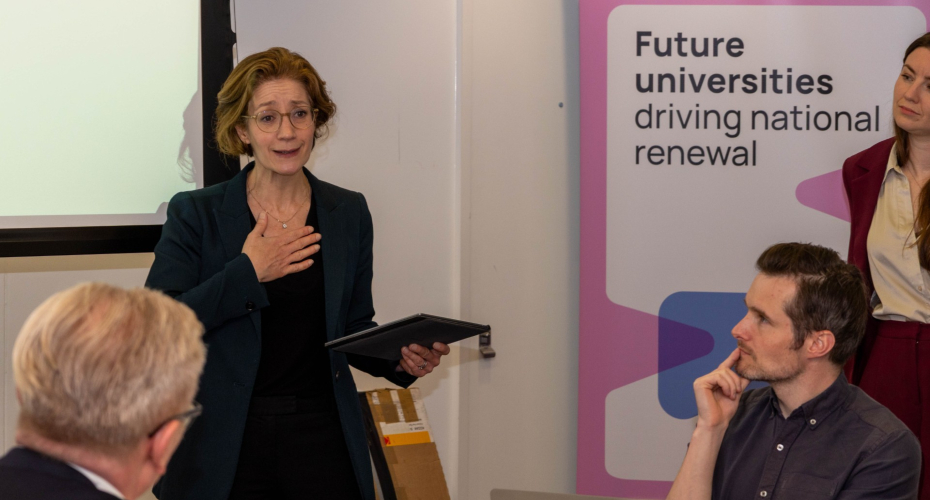
Professor Lisa Roberts, President and Vice-Chancellor of the University, welcomed delegates to the session. She said: “There is a wealth of business and economic growth opportunity here in the South West, and it is our shared duty as universities to ensure that graduate skills meet the evolving needs of our diverse business community. In doing so, we not only help people to launch and nurture their careers, but we retain talent in the region and contribute to broader economic growth, wealth creation, and regional prosperity.”
Vivienne Stern, Chief Executive of Universities UK – the representative body for 142 universities in the UK – introduced the project, before the round-table discussions began. Among the topics covered were how to grow the pipeline of graduates entering and thriving in strategically important industries; how to create new high-quality jobs for people in the South West; and the need to prevent brain drain from the region.
Future Jobs was commissioned against a backdrop where it is estimated that more than 11 million additional graduates are needed to fill high-skilled jobs in the UK between 2020 and 2035. On average, 82% of new priority jobs crucial to economic growth, including in the life sciences, creative, digital & tech and defence sectors, will require workers with HE-level qualifications.
With AI rapidly changing the world of work and graduates feeling increasingly concerned about the difficulty of finding jobs, universities across the UK are changing how they can prepare students for the jobs of the future.
Strengthening employer-university relationships is a key part of this. UUK’s forthcoming roadmap will set out practical steps that universities and employers can take to ensure graduates’ skills better meet business needs, both now and in the future.
Professor Malcolm Press CBE, President of Universities UK, said: “Universities are critical to creating a better future for the next generation, something everyone wants. Given how quickly the world of work is changing, that will only happen if we make sure graduates have the skills that employers are going to need, now and over the long-term.
“Today’s graduates are going to have careers that last into the 2070s. Our Future Jobs roundtables, like this one in Exeter, are about sparking the conversations between business and universities to make sure we’re equipping people with the skills they’re going to need for long, successful careers and that business can access the talent they need to drive the country’s future prosperity.”